
From Factory Floors to Forest Trails: How India Helped Me Find Myself
“People joke about going to India to find themselves. I used to think it was just a cliché. Looking back now, I can honestly say that’s exactly what happened to me.”
If you’d told me a few years ago that I’d end up living in the forests of northern India, guiding wildlife walks, tracking tigers, learning bird calls and studying Zoology at university, I probably would have laughed.Before India, my life couldn’t have been more different.
After leaving college, I found myself drifting between factory jobs. They paid the bills, but every day felt exactly the same. I wasn’t building towards anything, I wasn’t excited to get up in the morning, and I couldn’t really see where my life was heading. Looking back now, I realise I was in quite a low place. I wasn’t unhappy every minute of every day, but I definitely wasn’t fulfilled. I felt like I was simply existing rather than living.What made it even stranger was that wildlife had once been the biggest part of my life.
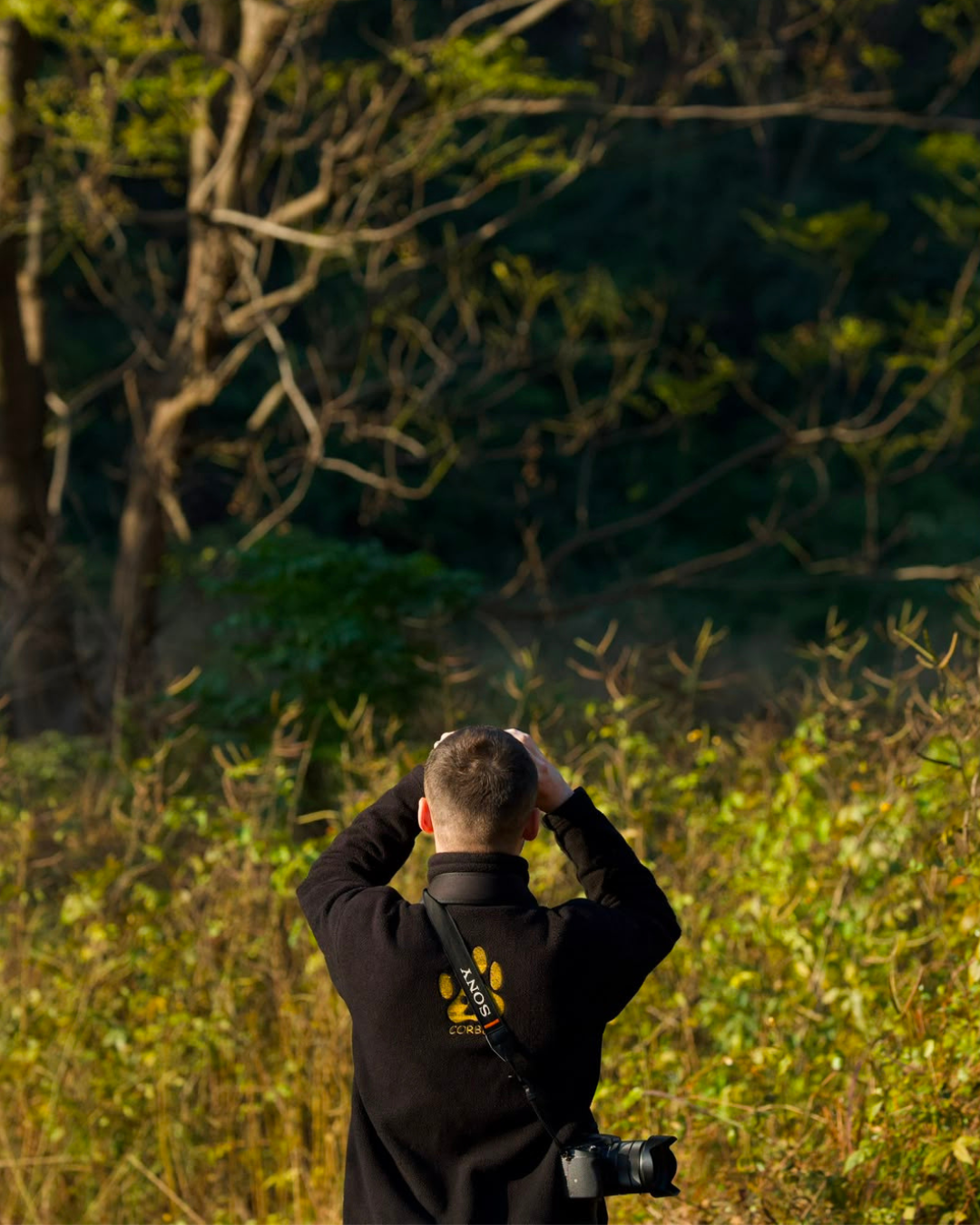
As a kid, I was obsessed with nature. If there were birds outside, I’d be watching them. If there was somewhere to explore, I’d be there with a camera in my hand. Wildlife documentaries fascinated me, and I loved learning about animals and spending time outdoors.Somewhere along the way, though, I lost that passion.Life got busy. Work became the priority. The hobbies that had once defined me slowly disappeared, replaced by routines that were comfortable but uninspiring. I barely picked up my camera anymore, and wildlife became something I remembered enjoying rather than something I actively lived for.I didn’t realise it at the time, but I’d lost a part of myself.Then an opportunity came along that would change everything.
Taking a Chance
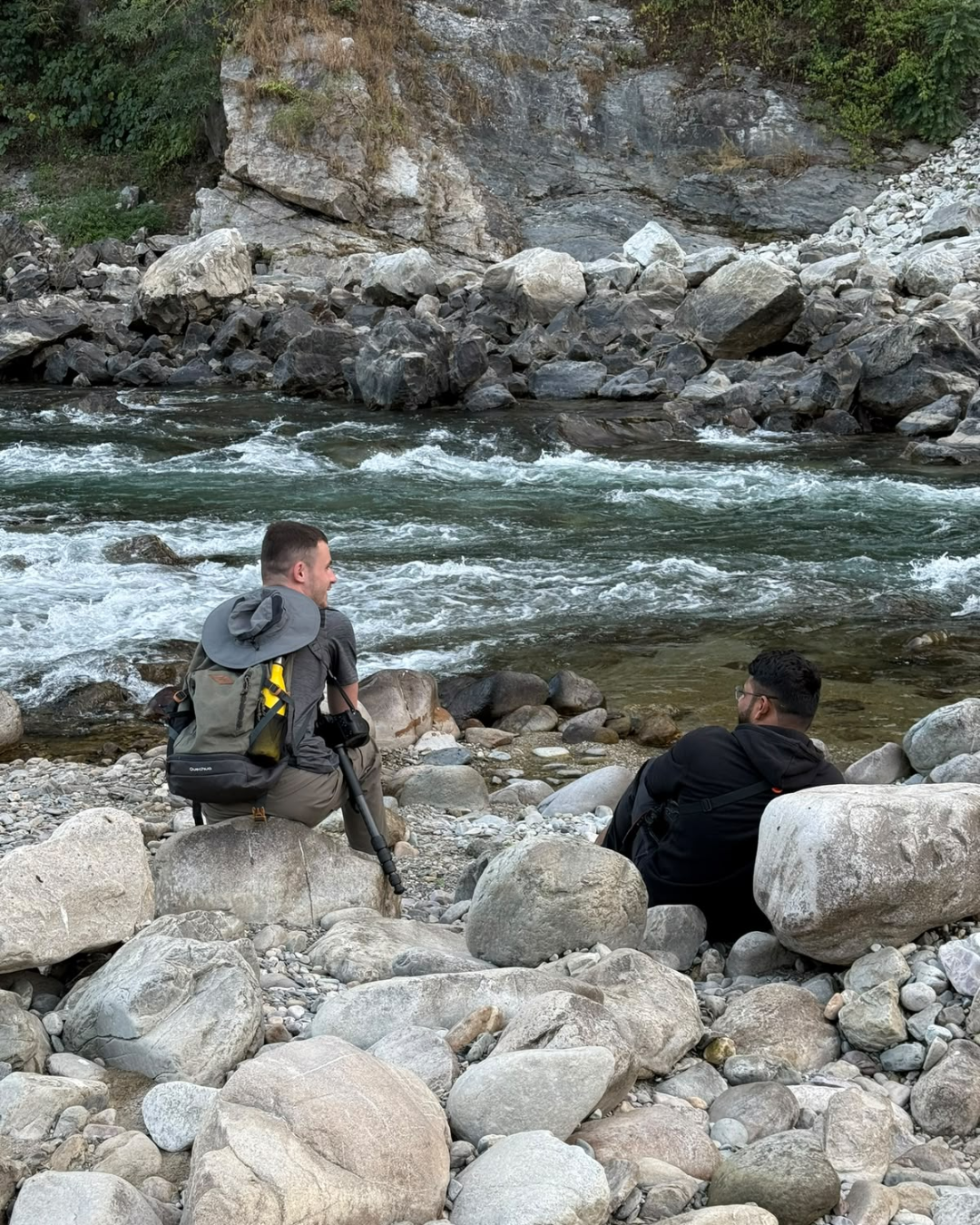
When I first heard about volunteering with Rural Traveller at Vanghat Lodge, I didn’t know exactly what to expect. I knew I’d be travelling to India. I knew I’d be surrounded by wildlife. And I knew it would be completely outside my comfort zone. That was enough. Looking back now, deciding to go was one of the best decisions I’ve ever made. I boarded the plane in November 2023 hoping to gain some experience with wildlife. I had absolutely no idea that I’d come back with a completely different outlook on life.
First Impressions
Nothing prepares you for India.The colours are brighter.The sounds are louder.The food is incredible.The culture is unlike anywhere I’d ever experienced.
Everything feels alive.
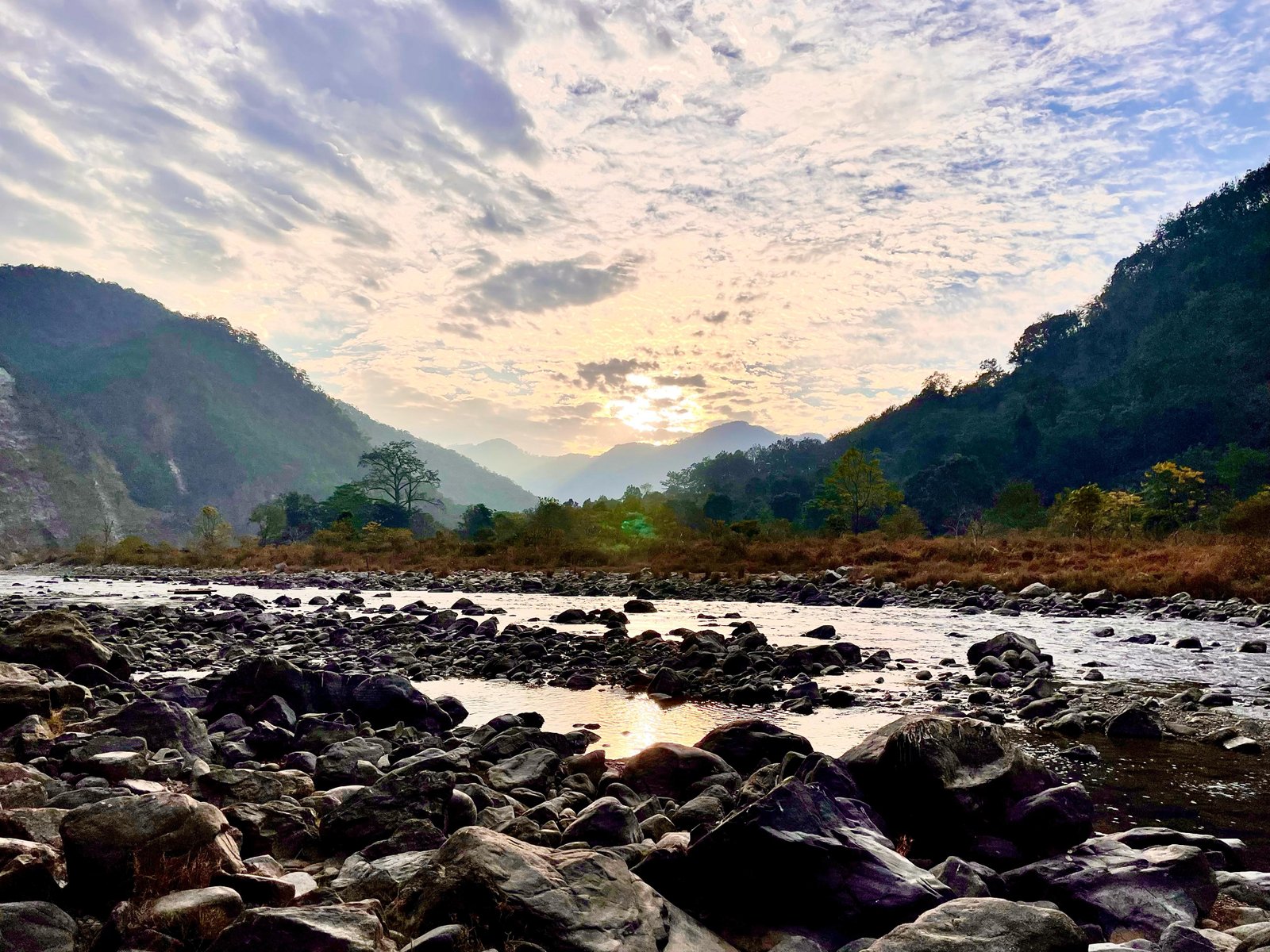
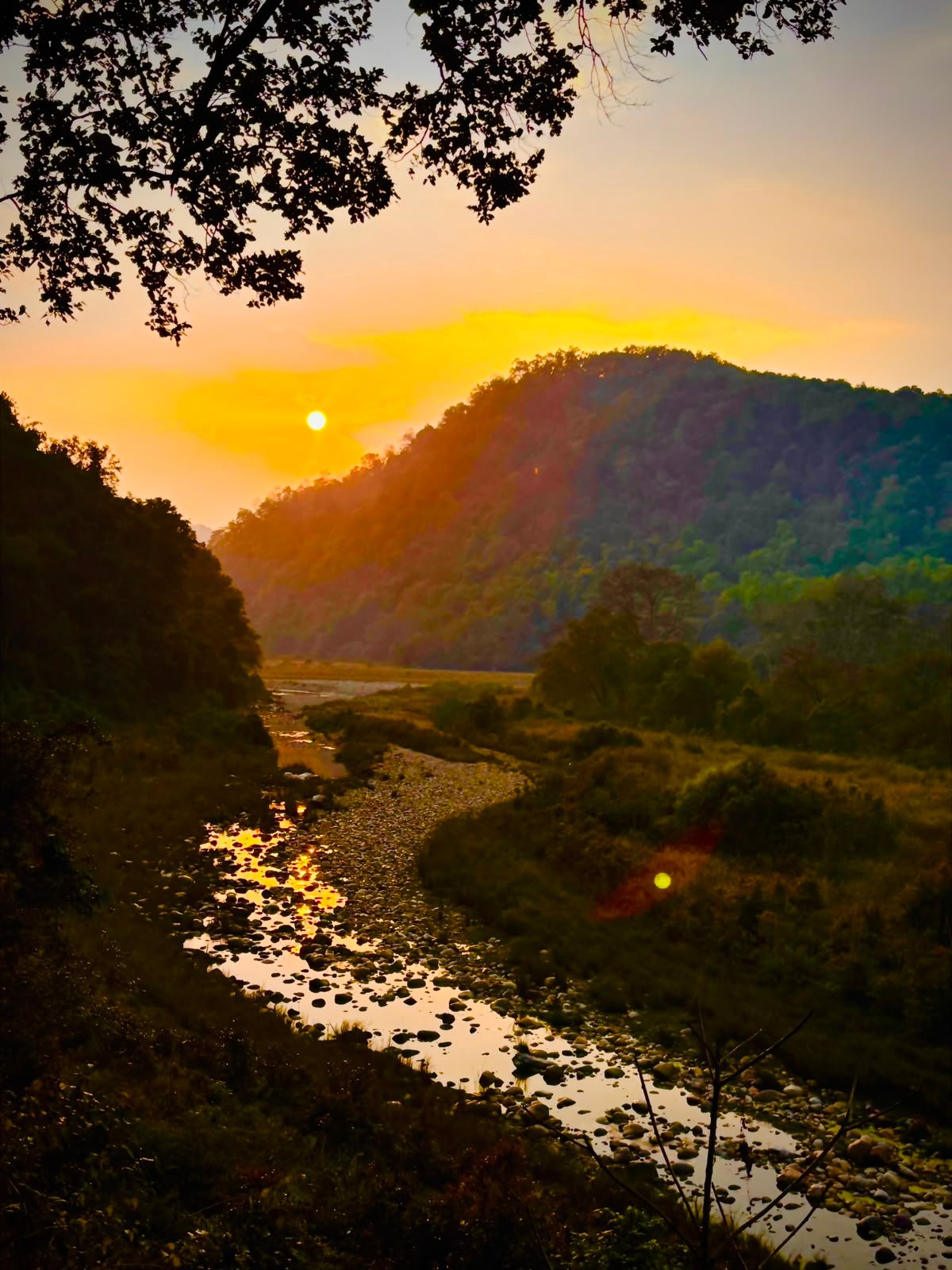
After arriving in Uttarakhand and making my way to Vanghat Lodge, I realised this wasn’t going to be an ordinary volunteering placement.Nestled beside the beautiful Ramganga River on the edge of Jim Corbett National Park, Vanghat feels completely removed from the rush of modern life.There are no busy roads.No crowds.Very little phone signal.
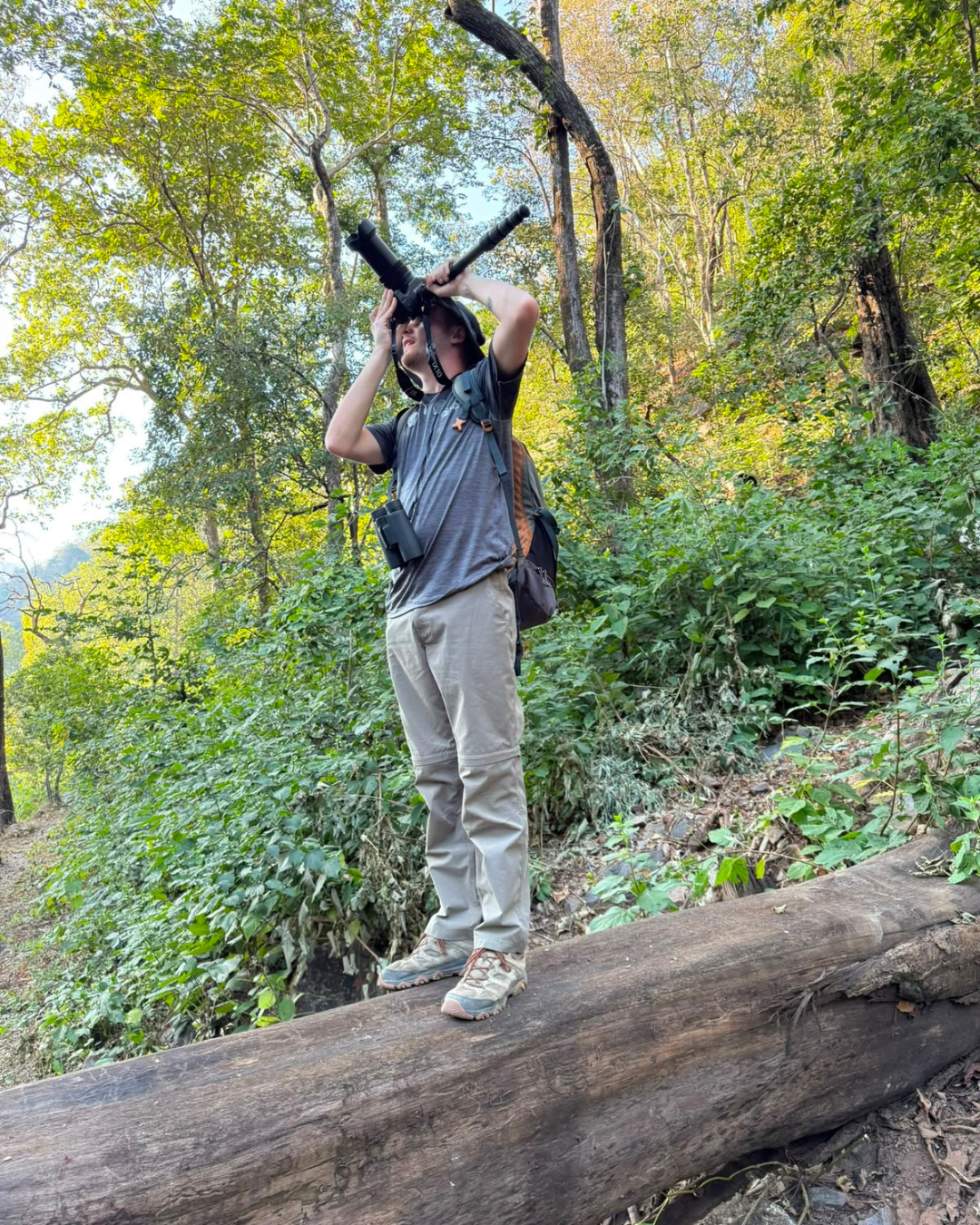
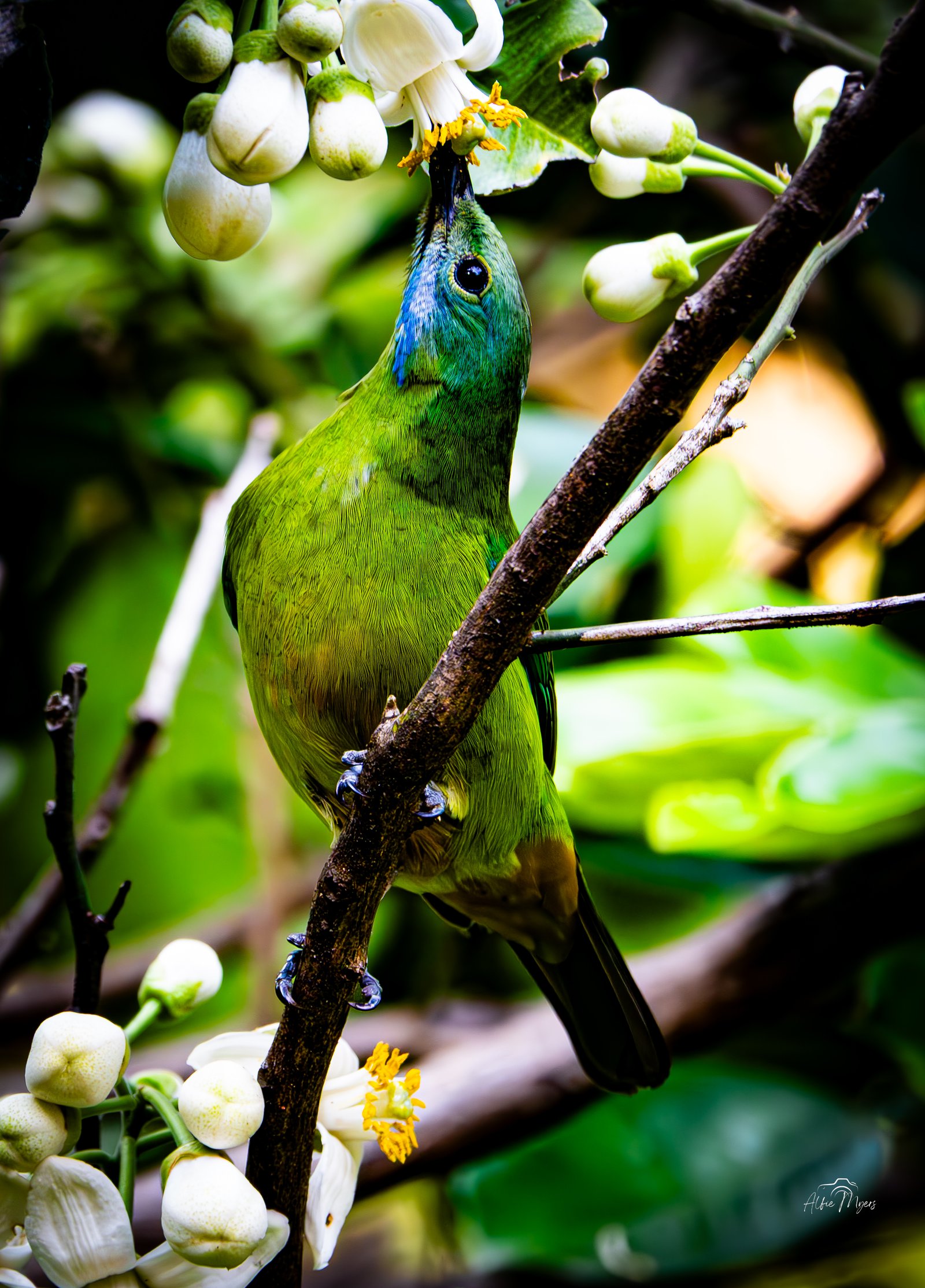
Instead, there are forests stretching across the hills, rivers flowing through the valley and wildlife all around you. The first thing I noticed wasn’t the scenery. It was the silence. Not the silence of nothing happening—but the silence of nature. Birdsong echoed through the trees. The river flowed constantly in the background. Every now and then you would hear a distant alarm call from a deer, reminding you that somewhere out there, a predator was moving through the forest. Coming from factories, traffic and busy towns, it was unlike anything I’d ever experienced.
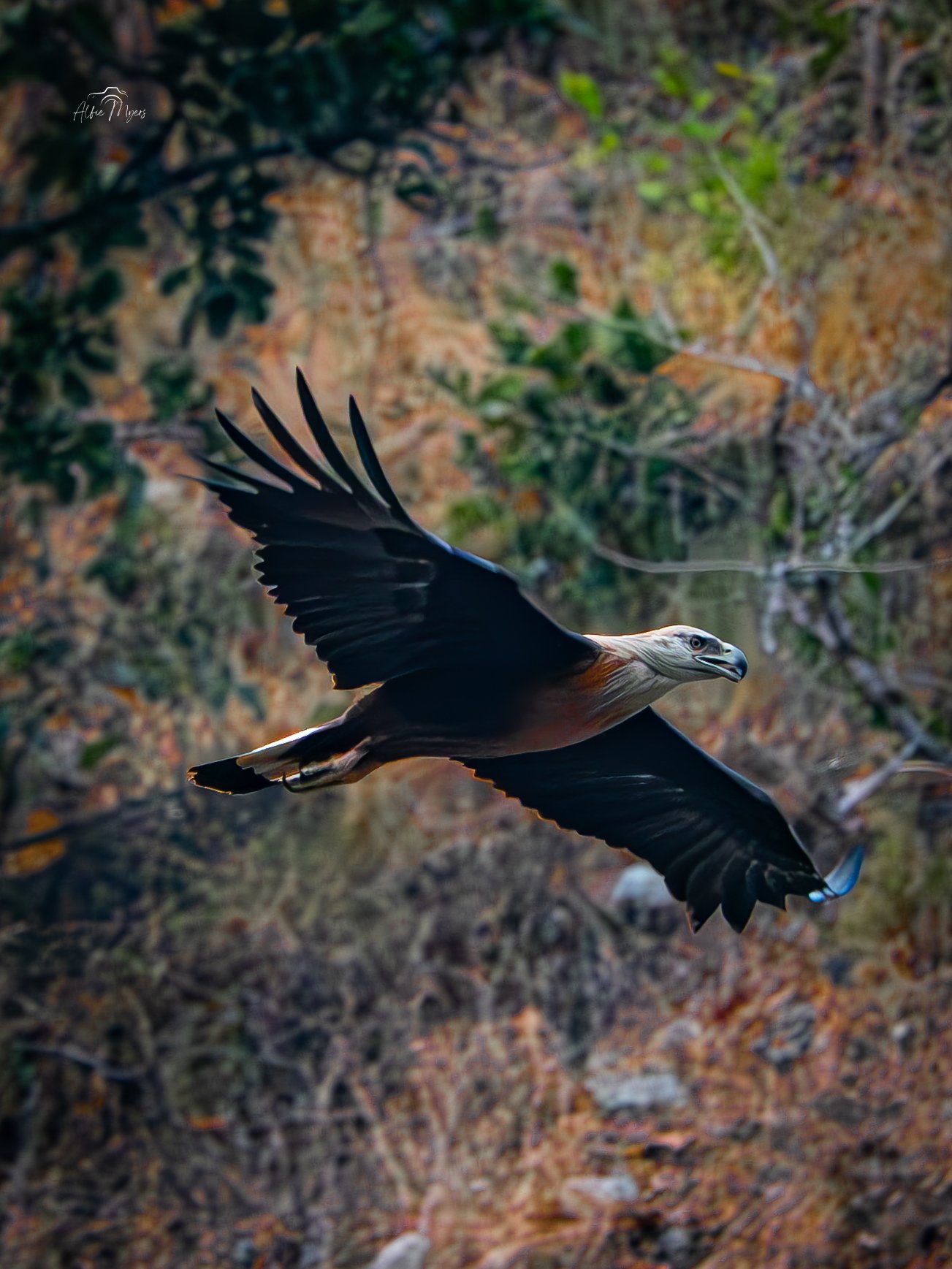
I remember thinking…This place feels different.
Learning from People Who Call the Forest Home
One of the greatest things about volunteering wasn’t just the wildlife. It was the people. From the moment I arrived, everyone made me feel incredibly welcome. Sumantha, the owner of Vanghat Lodge, has an extraordinary knowledge of the wildlife and forests surrounding the lodge. Whether we were talking about birds over breakfast, discussing conservation, or heading out into the forest, every day became an opportunity to learn something new. What impressed me most wasn’t just how much he knew—it was how willing he was to share that knowledge. That attitude spread throughout the entire team.
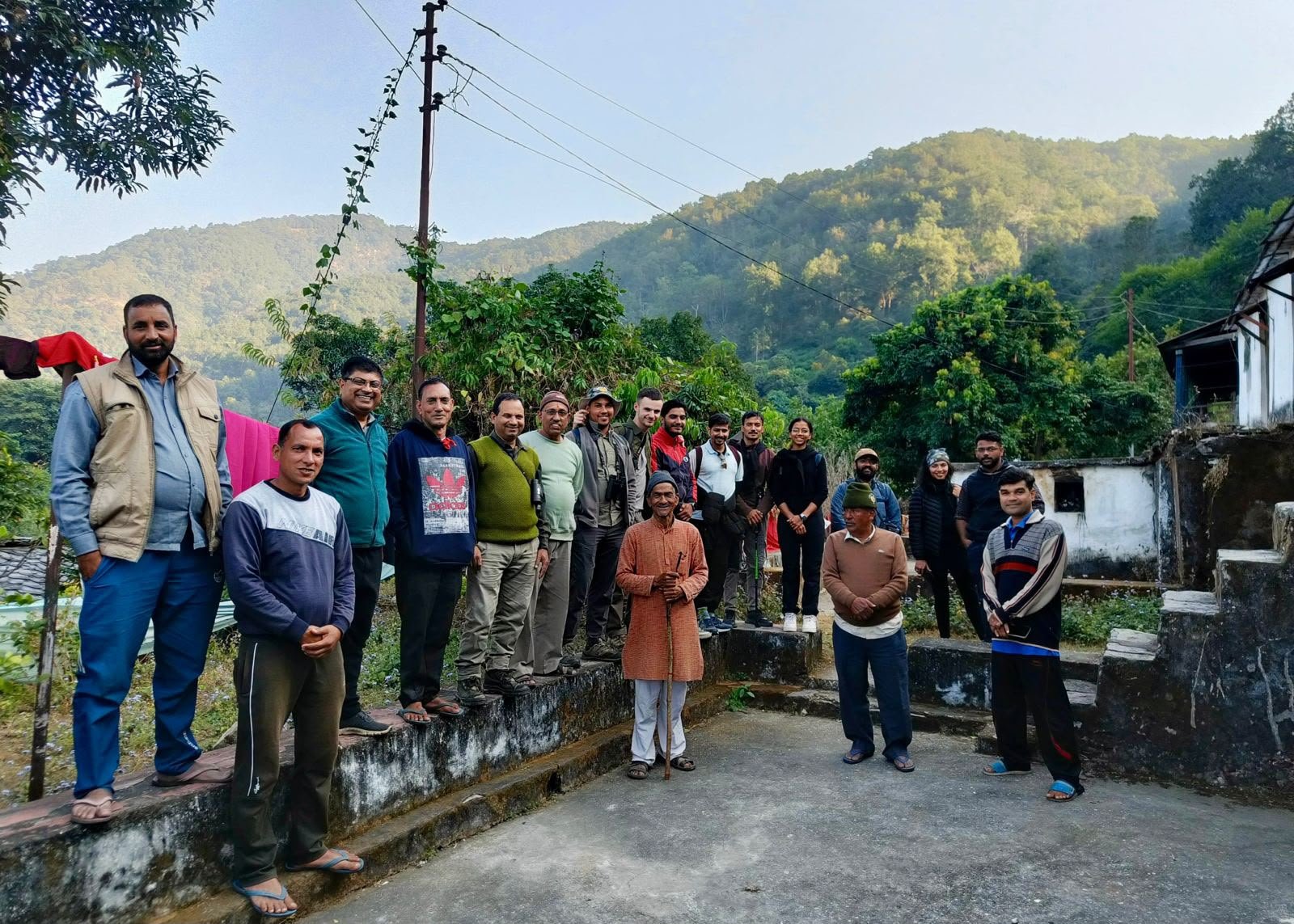
The local guides had grown up in villages around Jim Corbett National Park. These weren’t people repeating information from guidebooks; this was knowledge built over a lifetime of living alongside elephants, tigers, leopards and hundreds of bird species. They could read the forest in ways I simply couldn’t. Fresh pugmarks in the sand. A change in bird behaviour. The alarm call of a sambar deer. The sudden silence that tells you something is nearby.
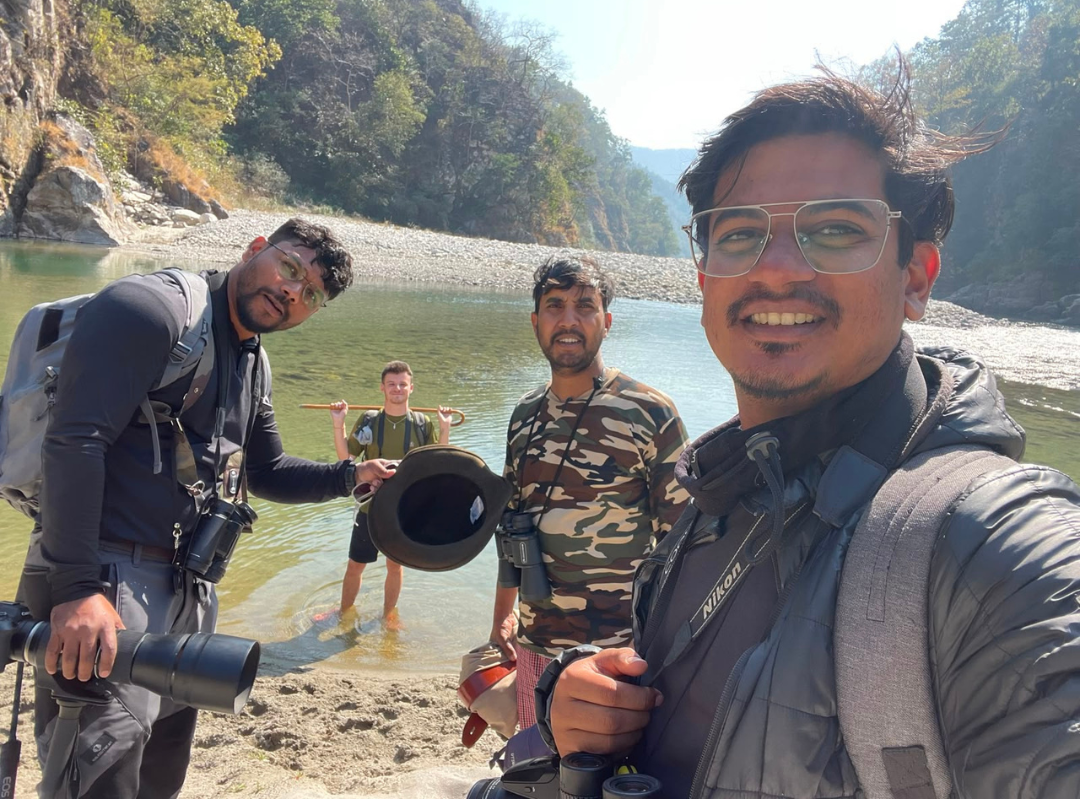
At first, I noticed almost none of it. By the end of my time there, I was beginning to understand what the forest was trying to tell me. That’s something I’ll never forget.
Learning Every Single Day
Every morning felt like another lesson. I learned how to identify birds by their calls rather than just by sight. I learned how different alarm calls could tell you what type of predator was nearby. I learned how elephants behaved depending on the season, the weather and whether they had young calves with them. I learned to recognise tracks, signs and movement that I would have walked straight past only weeks before. But perhaps the biggest lesson I learned was patience. Wildlife doesn’t work to a timetable.
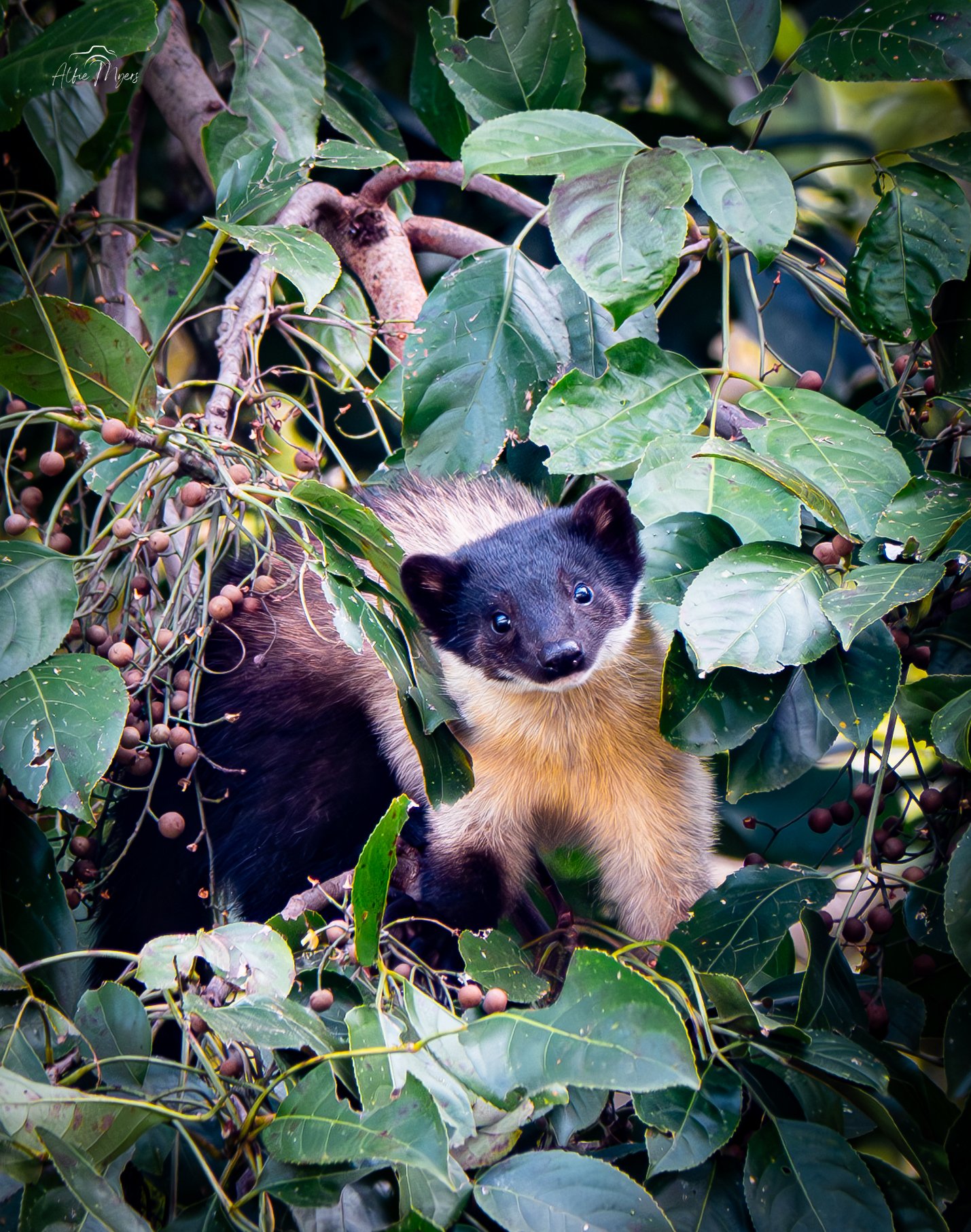
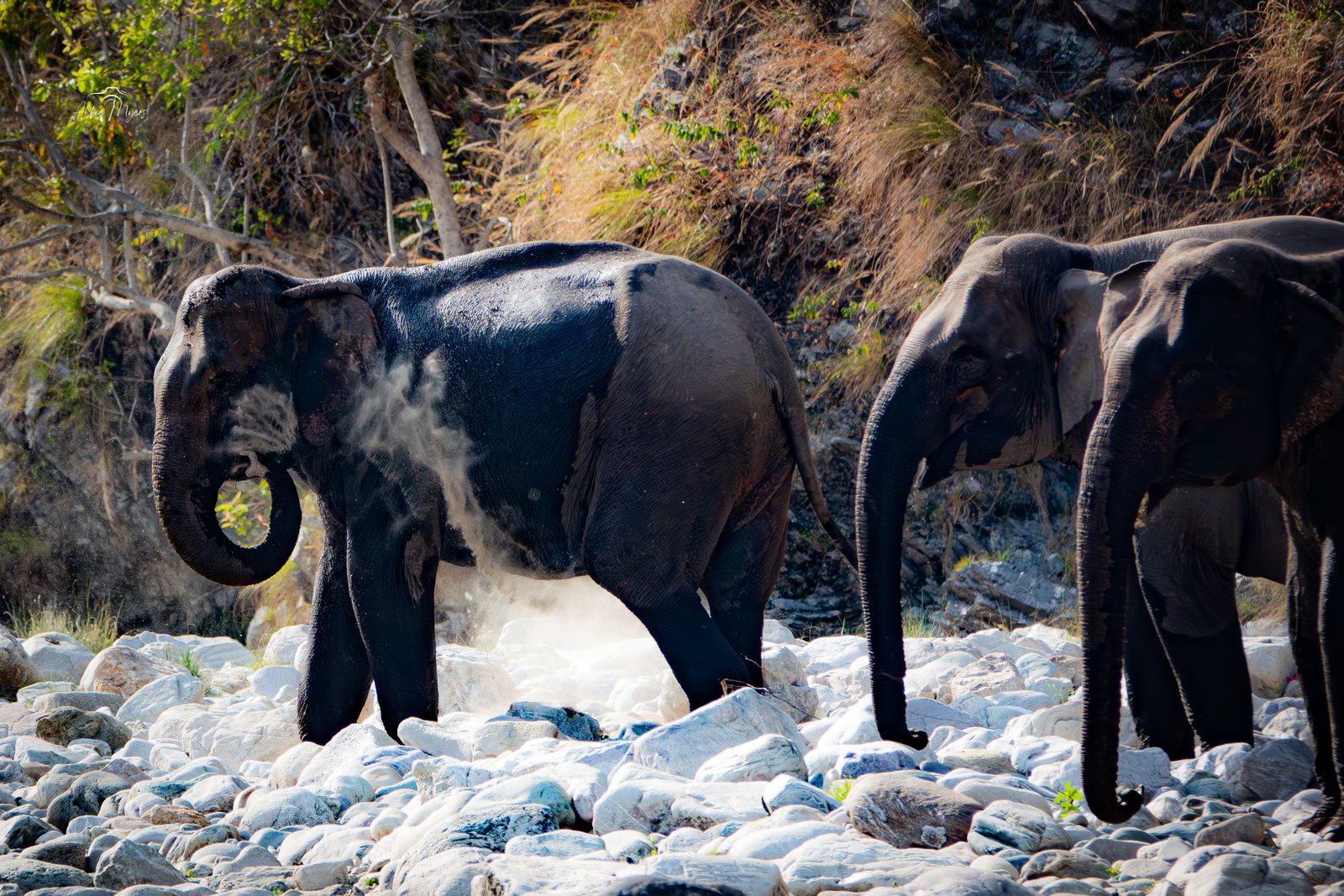
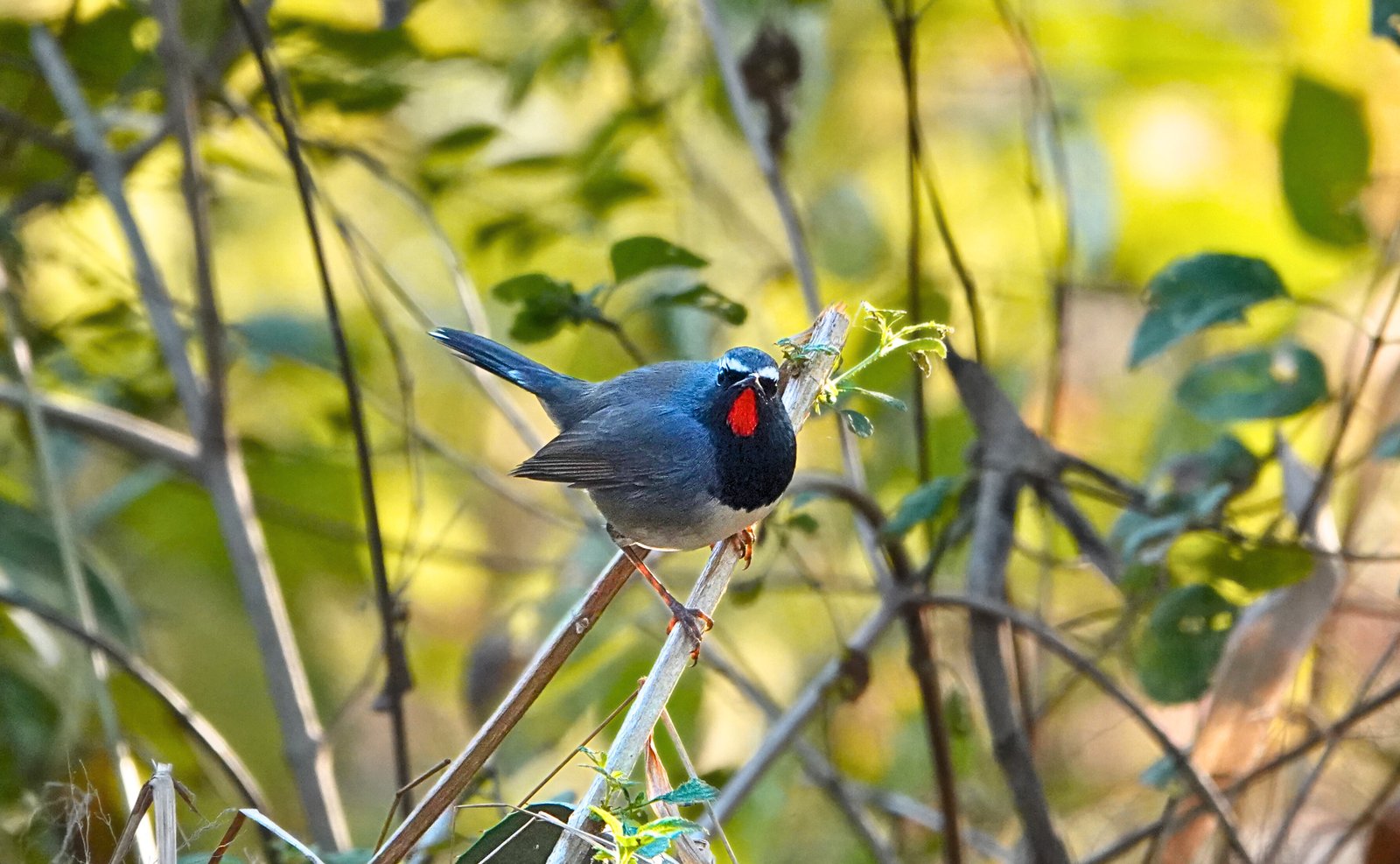
Sometimes you’d spend hours walking through the forest without seeing anything particularly special.Then, completely out of nowhere, something extraordinary would happen.That’s one of the things I grew to love about being there.Every day felt like an adventure because you never knew what was waiting around the next corner.
Becoming Part of the Team
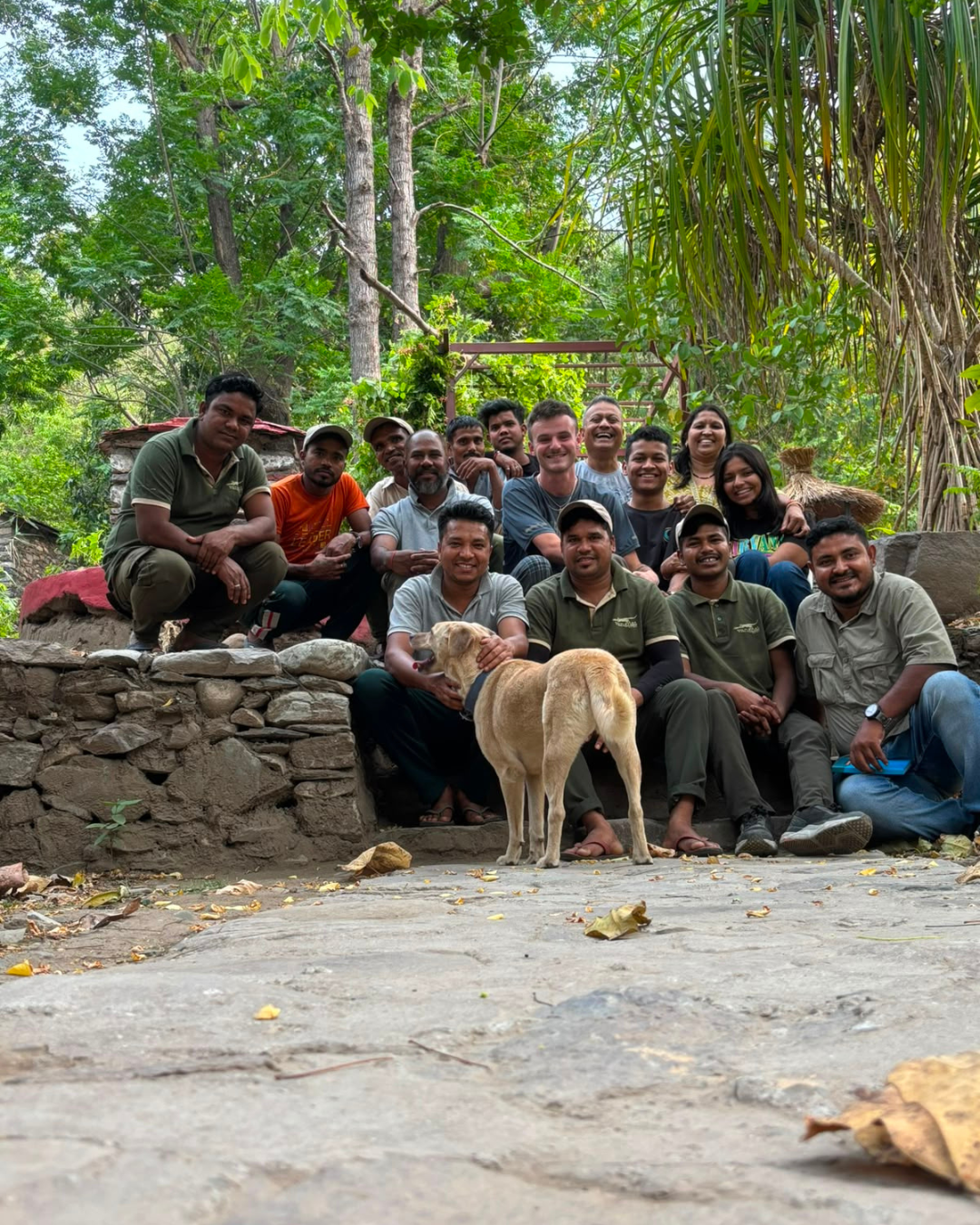
One thing I hadn’t expected was just how close everyone became. The local staff quickly stopped feeling like colleagues. They became friends. Even family. Although we came from completely different backgrounds and cultures, wildlife gave us a common language. I’d help them practice their English. They’d patiently teach me Hindi. We’d laugh when I completely mispronounced words, and they’d laugh even more when I tried using them in conversation. Those moments are some of my favourite memories. Watching the local guides move through the mountains was incredible. They seemed to climb waterfalls and steep slopes with almost effortless confidence, while I’d be carefully picking my way up behind them, trying not to fall over. They knew every trail. Every shortcut. Every bird call. Every sign the forest had to offer. Learning alongside people with that level of experience was a privilege. No book, documentary or university lecture could ever replace it.
Falling Back in Love with Wildlife
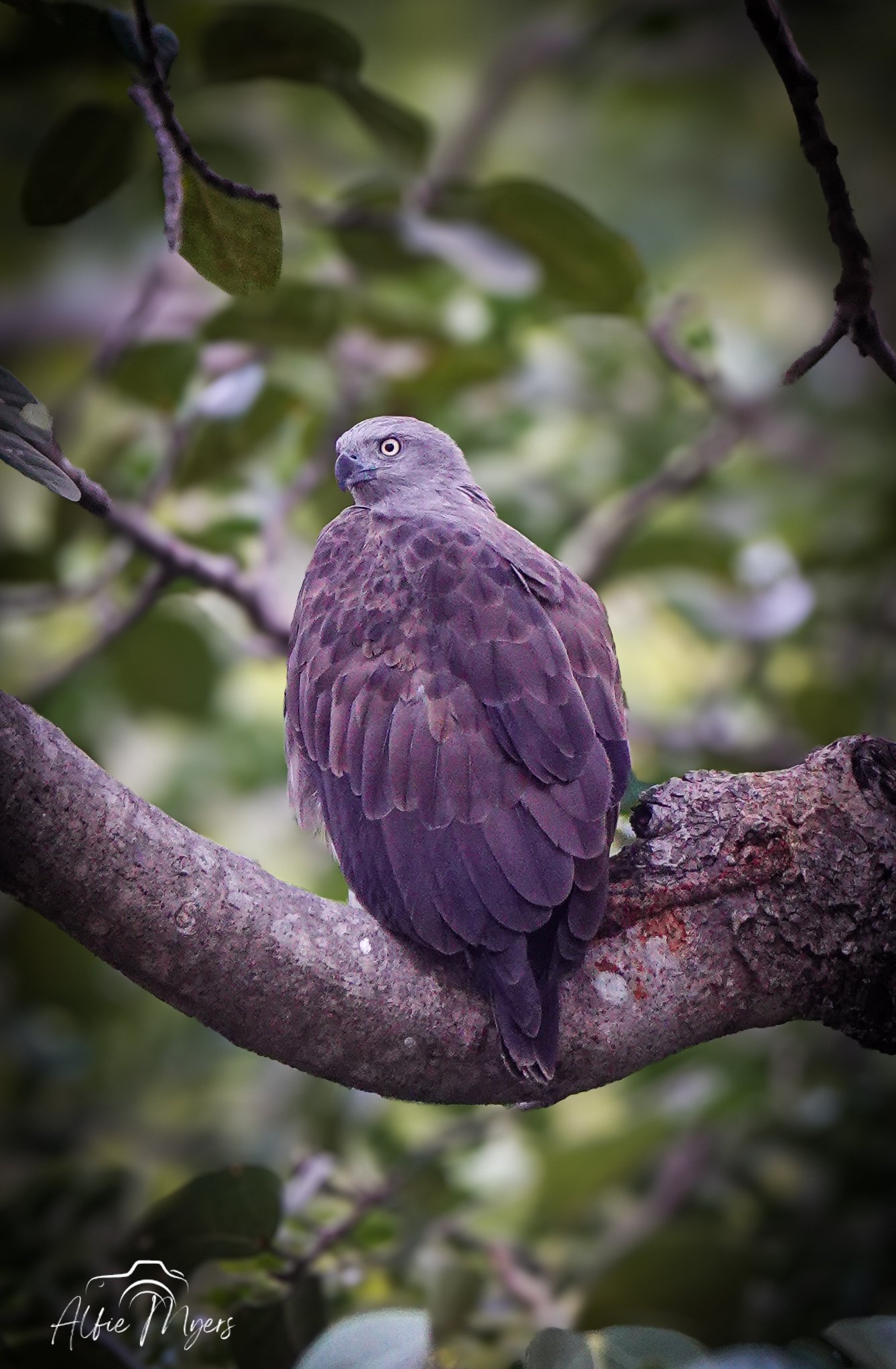
Without even realising it, something inside me started to change. The passion I’d lost years earlier came flooding back. I couldn’t wait to get outside every morning. My camera came everywhere with me. I found myself constantly asking questions, learning new bird calls, reading wildlife books in the evenings and talking about nature with anyone who shared the same interest. Birds quickly became my specialty. Every week I recognised more species by sight and sound. Hornbills became one of my favourites, their unmistakable calls echoing across the valley before you’d finally spot them gliding above the forest canopy. Wallcreepers amazed me every single time they opened their crimson wings against the grey rock faces. Tawny Fish Owls became another favourite, perfectly camouflaged in the riverside trees.
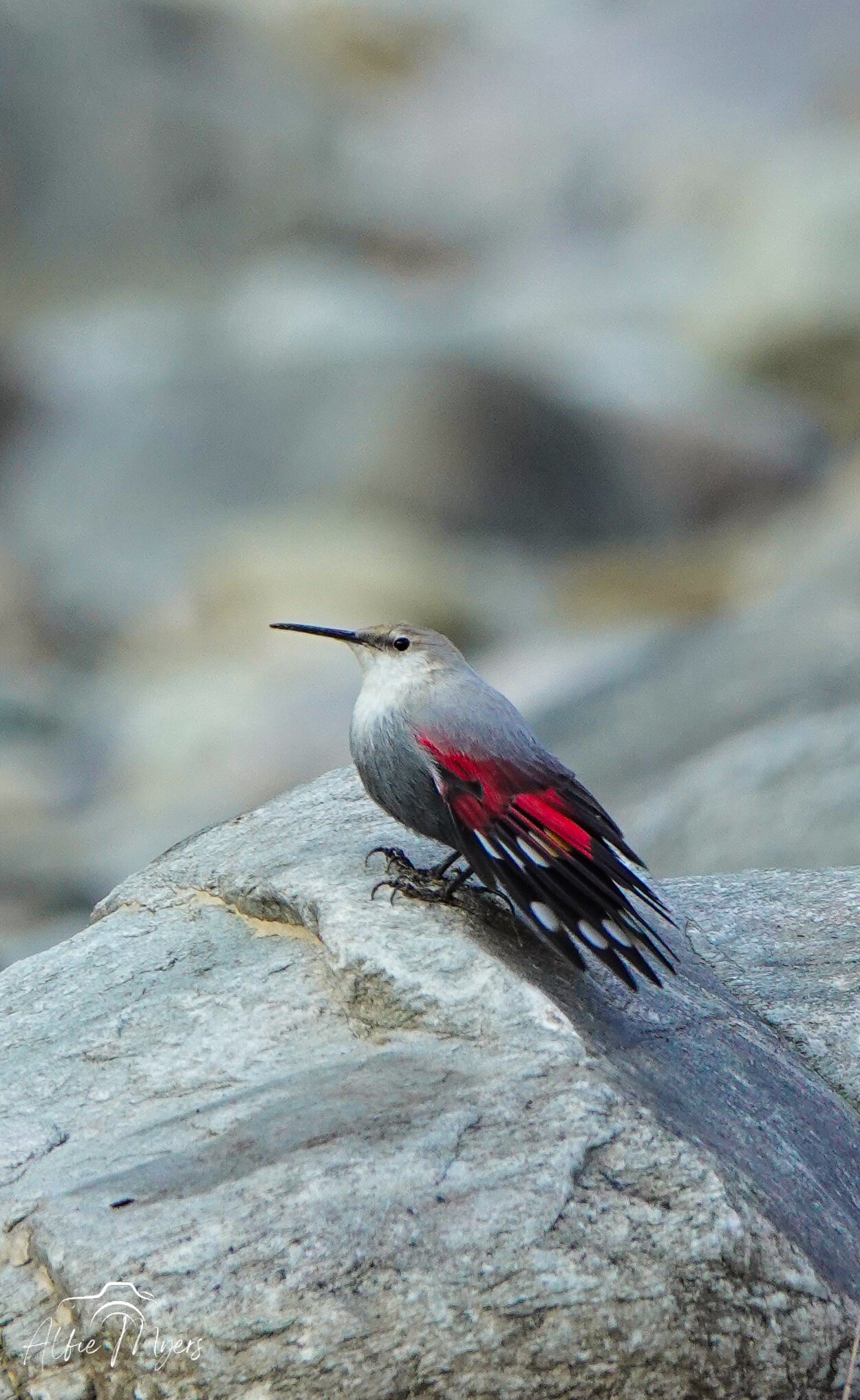
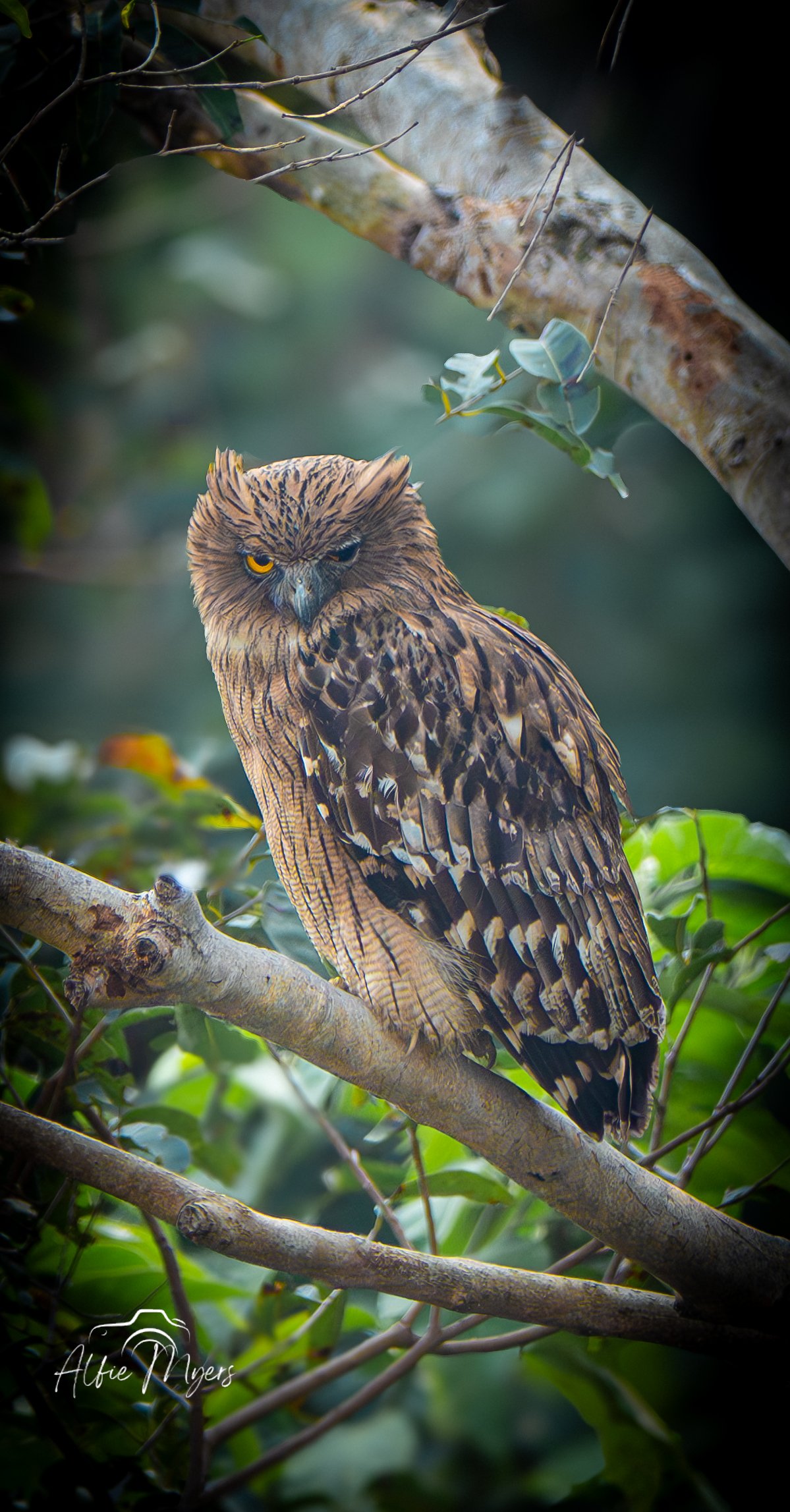
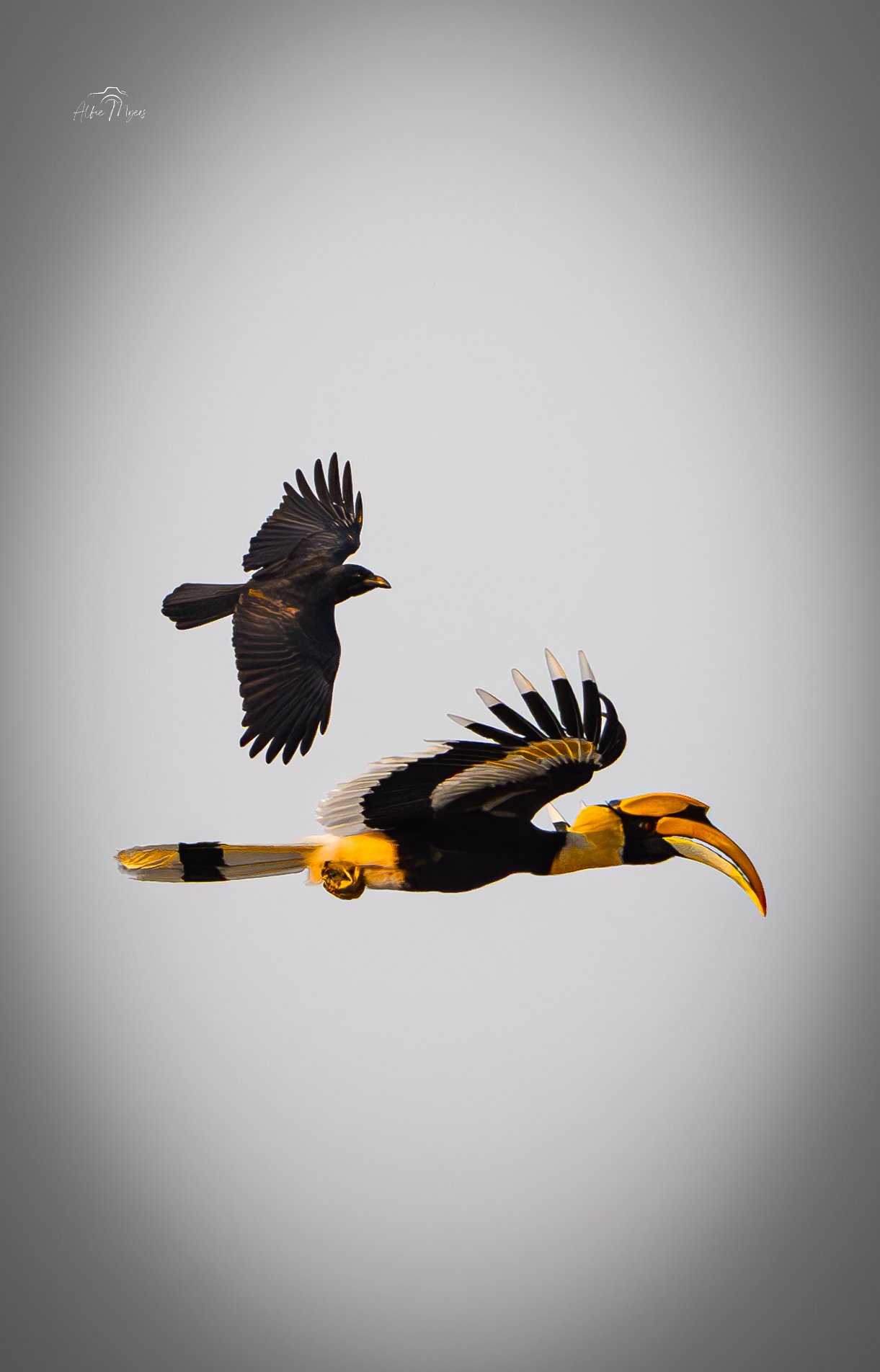
The birdlife around Vanghat is simply extraordinary, and for someone who had once lost their love of wildlife altogether, it felt like rediscovering an old friend. But this wasn’t just about learning species names. It was about reconnecting with a passion I’d forgotten I had. Looking back now, I don’t think India changed who I was. I think it reminded me who I’d always wanted to be. By the end of my first few months, I realised something that surprised me. I wasn’t just enjoying volunteering anymore. I couldn’t imagine doing anything else. That feeling would ultimately lead me to return for a second season… and eventually change the direction of my life completely.
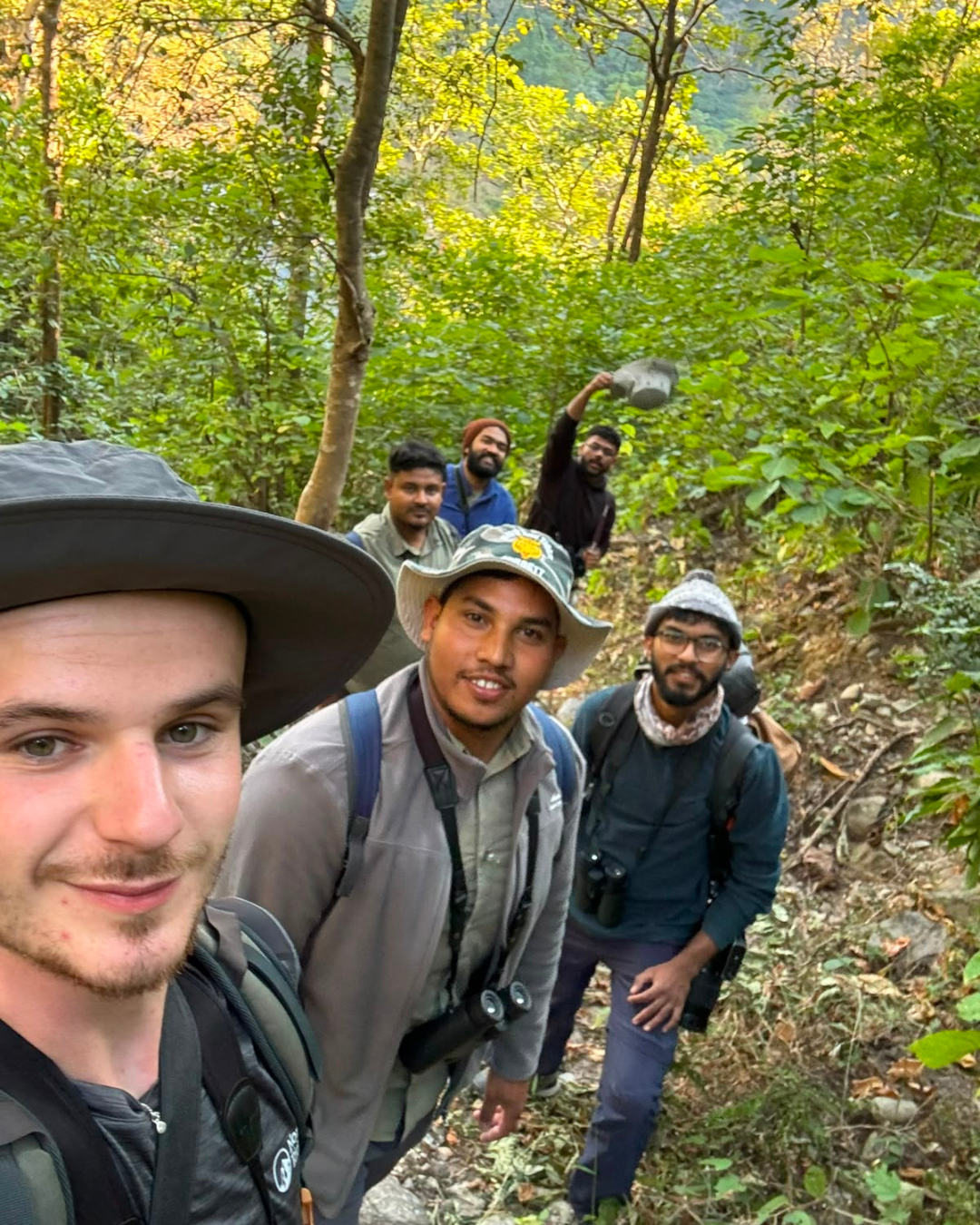
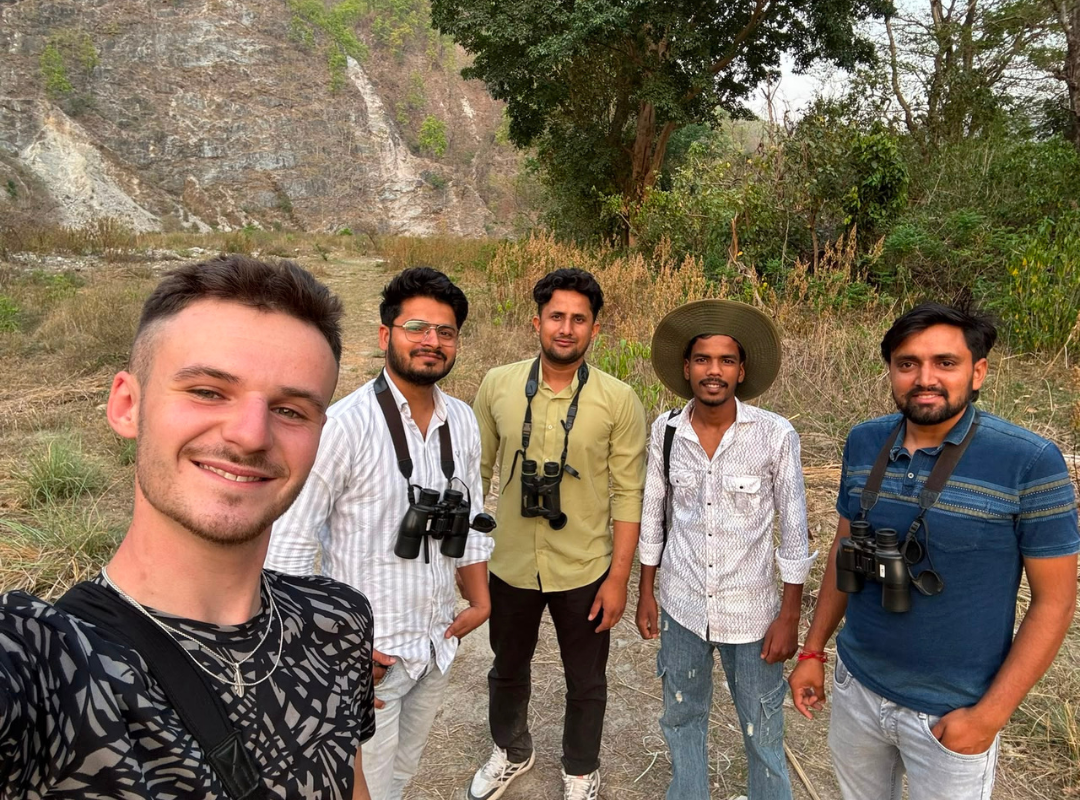
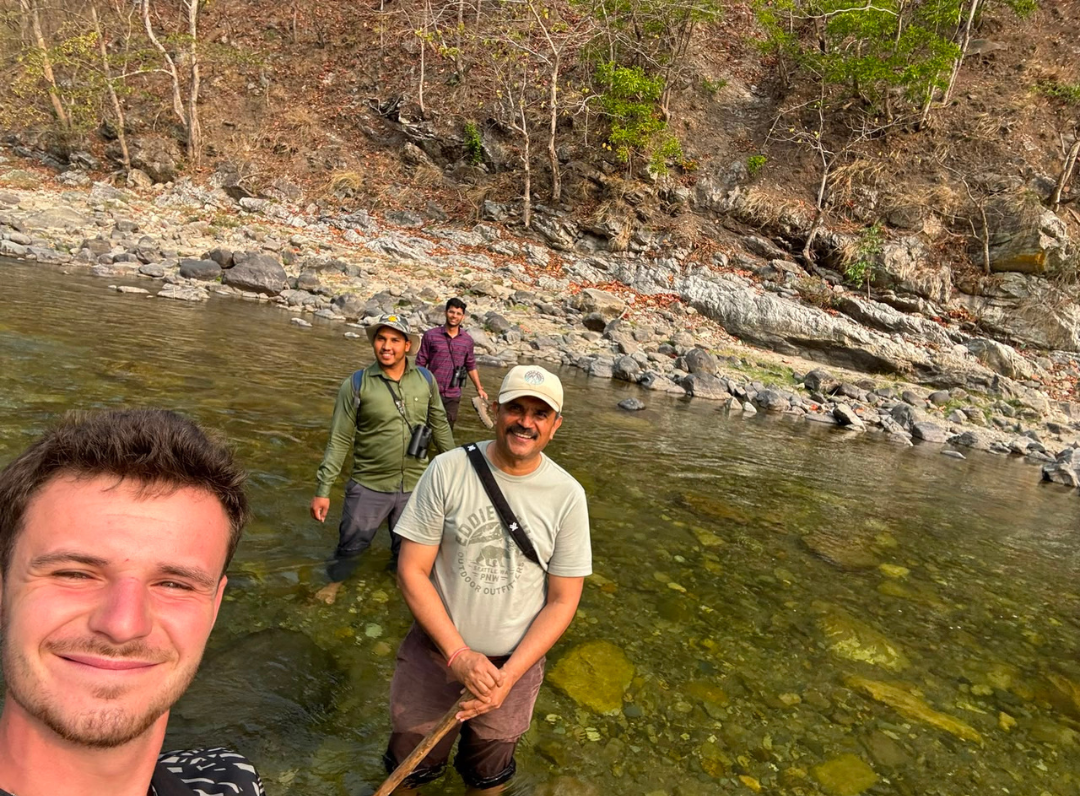
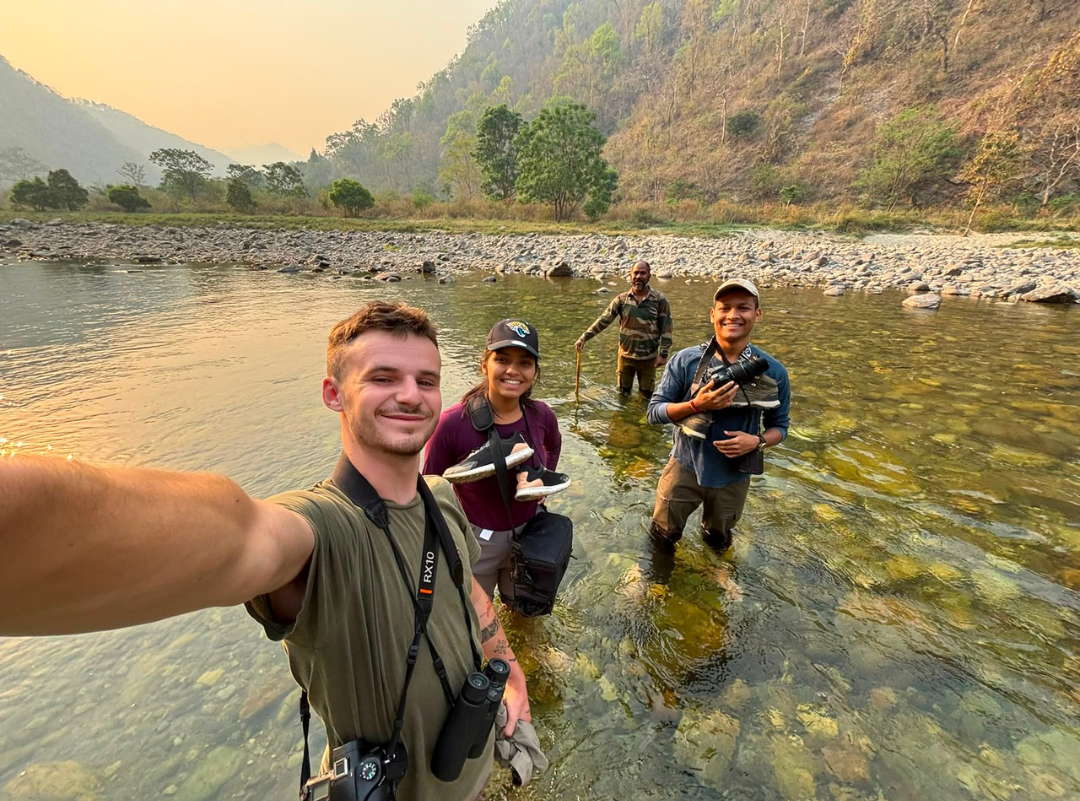
By the end of my first season, I realised something that completely surprised me. I wasn’t just volunteering anymore. I was becoming a wildlife guide. The confidence that had been missing from my life before India slowly started to return. The more time I spent in the forest, the more I understood it. Every walk became another opportunity to learn, and every guest gave me another chance to share that knowledge. During my second season, I was trusted to lead smaller groups on my own. That was a huge milestone for me. To think that, not long before, I’d been working factory jobs wondering what I wanted to do with my life, and now I was guiding people through the forests surrounding one of India’s most famous national parks, is something I’ll never take for granted. Of course, I was never alone. There was always someone more experienced to learn from, and that’s one of the things that made Rural Traveller so special. No matter how much you thought you knew, there was always another lesson waiting for you.
Wildlife That Never Stops Amazing You
People often ask me what my favourite animal was. Most expect me to say tiger.
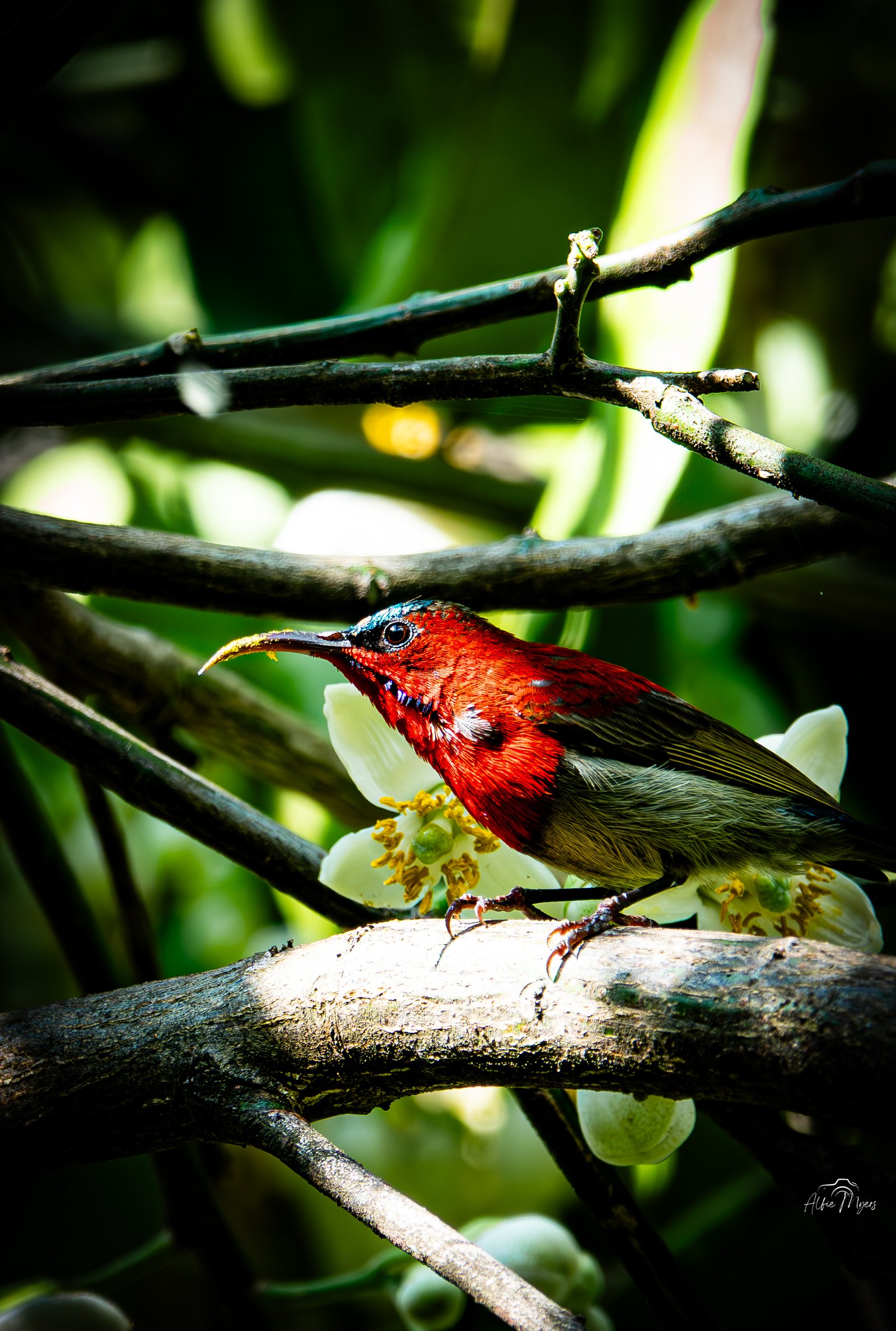
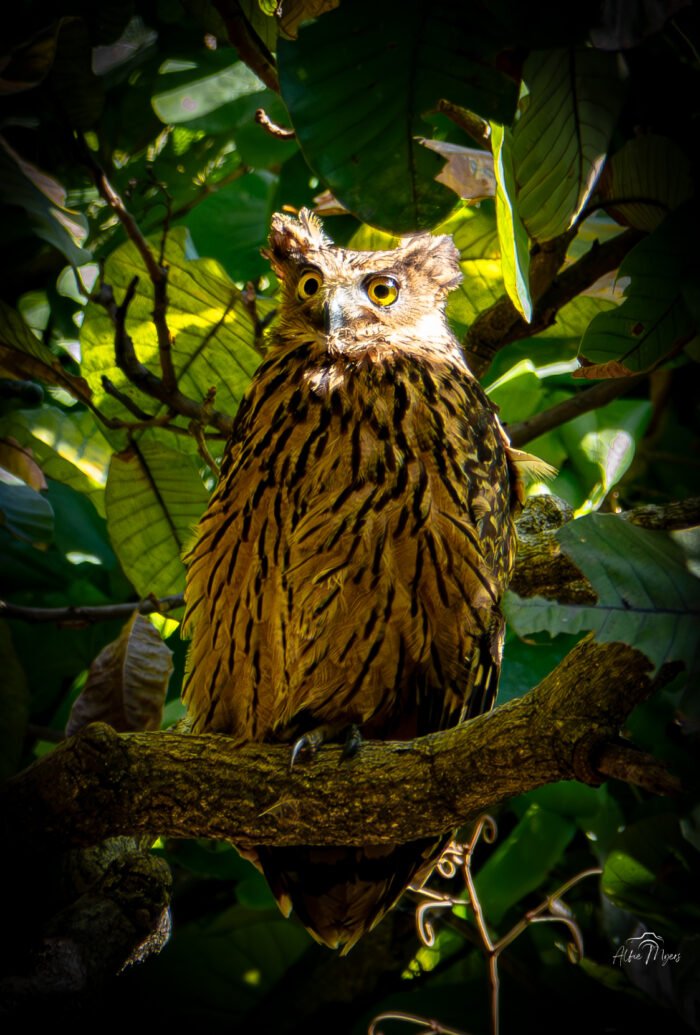
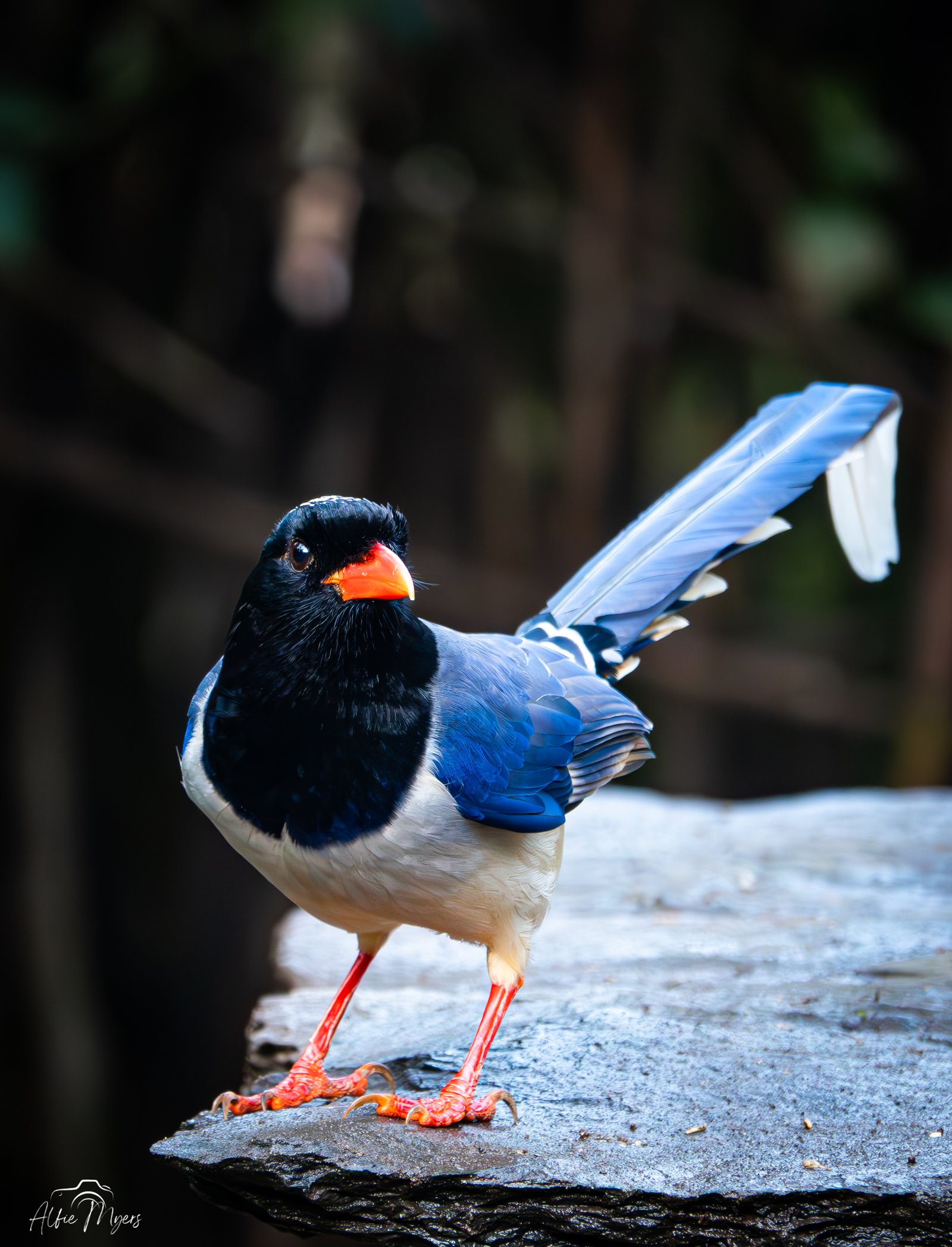
The truth is…It’s the Smooth-coated Otter. Watching them along the Ramganga River never got old. Whether they were swimming effortlessly through the current, playing together or hunting for fish, they were fascinating to watch and quickly became one of my favorite animals to photograph. Some mornings we’d simply sit quietly by the river and wait. If you were patient enough, the forest almost always rewarded you. The birdlife around Vanghat is equally unforgettable. The deep wingbeats of a Great Hornbill flying overhead. The bright crimson flash of a Wallcreeper clinging to a rock face. A Tawny Fish Owl perfectly camouflaged in the riverside trees. Elegant Spotted Forktails feeding along the riverbanks. Even spotting an elusive Siberian Ruby throat felt like winning the lottery. Birdwatchers really are spoilt for choice there.
The Tiger I’ll Never Forget
Despite everything I saw, one moment will stay with me for the rest of my life. It happened early in my first season. We were leading a group on a walking safari when somebody spotted a Green Magpie high in the trees. Everyone stopped to admire it, and naturally all our attention was focused upwards. For some reason, I looked back down the path. Standing around twenty meters in front of us was a fully grown male tiger.
For a few seconds, time seemed to stop.
The tiger looked directly towards us before quietly turning and disappearing into the forest. Moments later, the silence was broken by the alarm calls of sambar deer echoing through the valley. It wasn’t frightening as much as it was humbling. That moment reminded me that we were visitors in the tiger’s home, not the other way around. It’s an experience I’ll never forget. Ironically, though, some of my favourite memories weren’t about seeing tigers at all. They were about hearing them. There’s something magical about hearing a tiger calling somewhere deep within the forest before sunrise. You don’t know exactly where it is. You can’t see it. But you know it’s there. Those moments send shivers down your spine in the best possible way.
Respecting the Forest
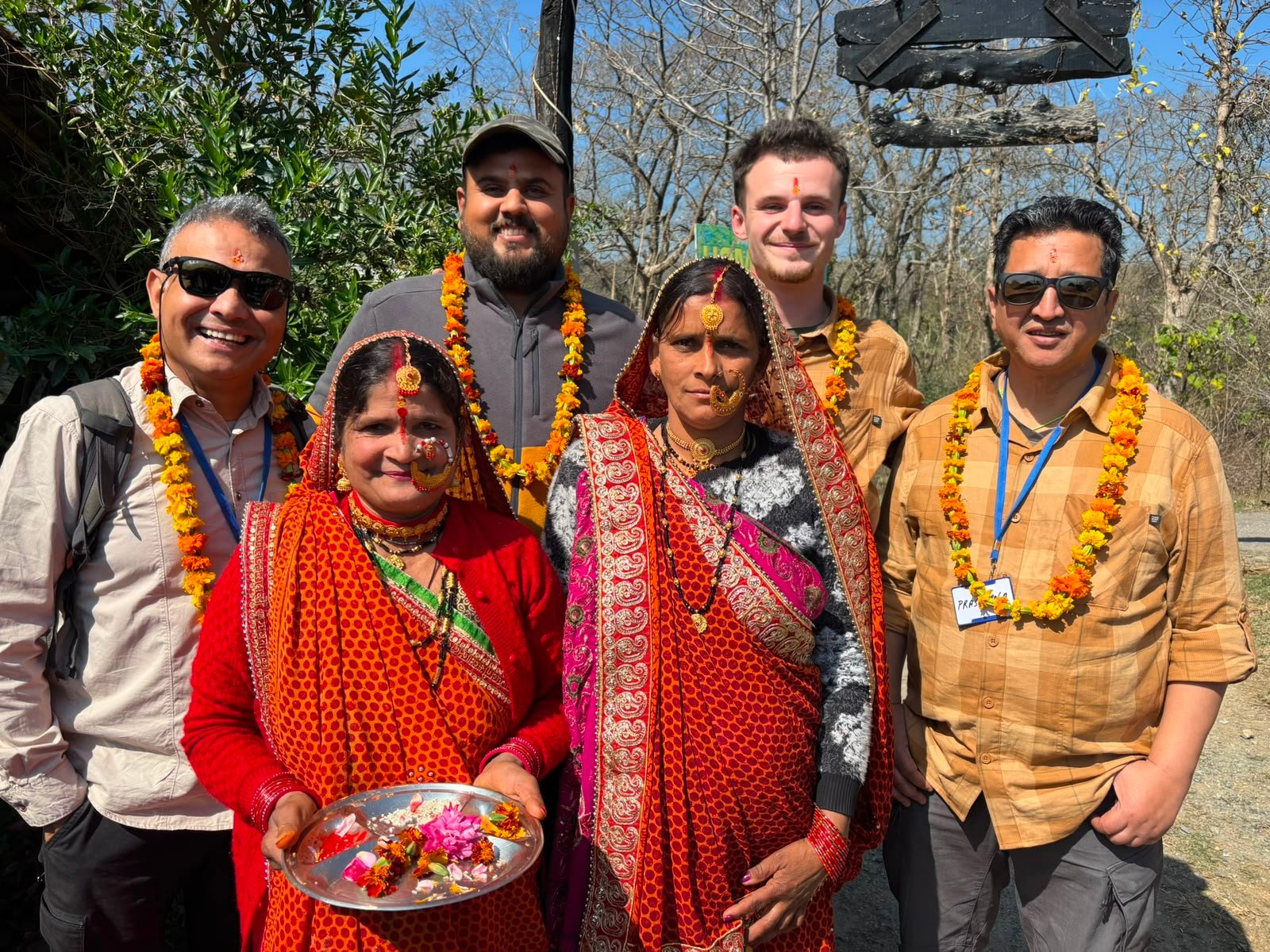
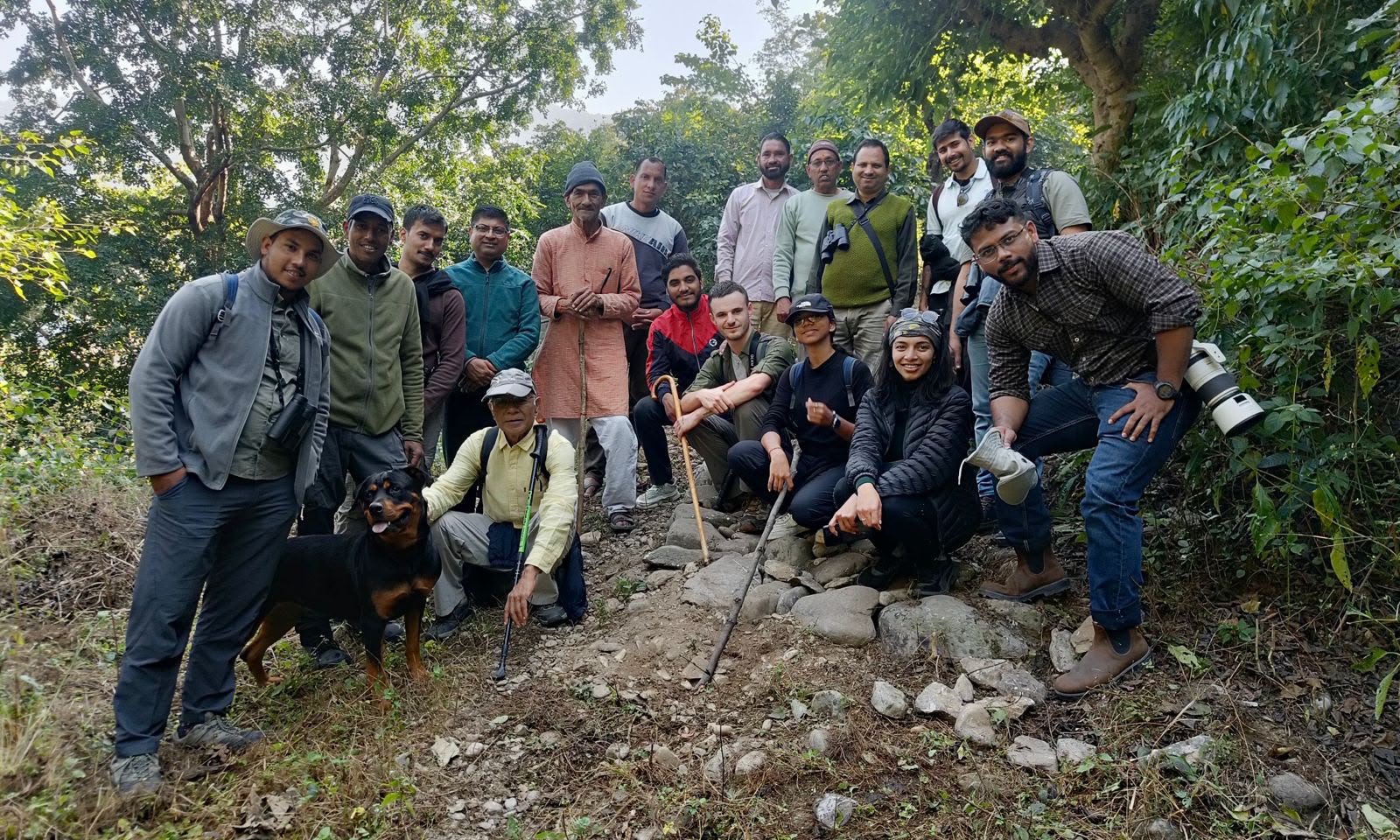
One of the biggest lessons I learned during my time at Vanghat was respect. Respect for wildlife. Respect for nature. Respect for the people who have lived alongside these animals their entire lives. The forests around Jim Corbett are home to elephants, tigers, leopards and many other incredible species. Seeing them is a privilege, never an expectation. Learning how to behave responsibly around wildlife and always listening to experienced local guides became second nature. The more time I spent in the forest, the more I realised that the best guides aren’t the loudest people. They’re usually the quietest. They notice the smallest details. They read the forest patiently. They never rush. That’s something I’ll carry with me wherever I go.
More Than Just Wildlife
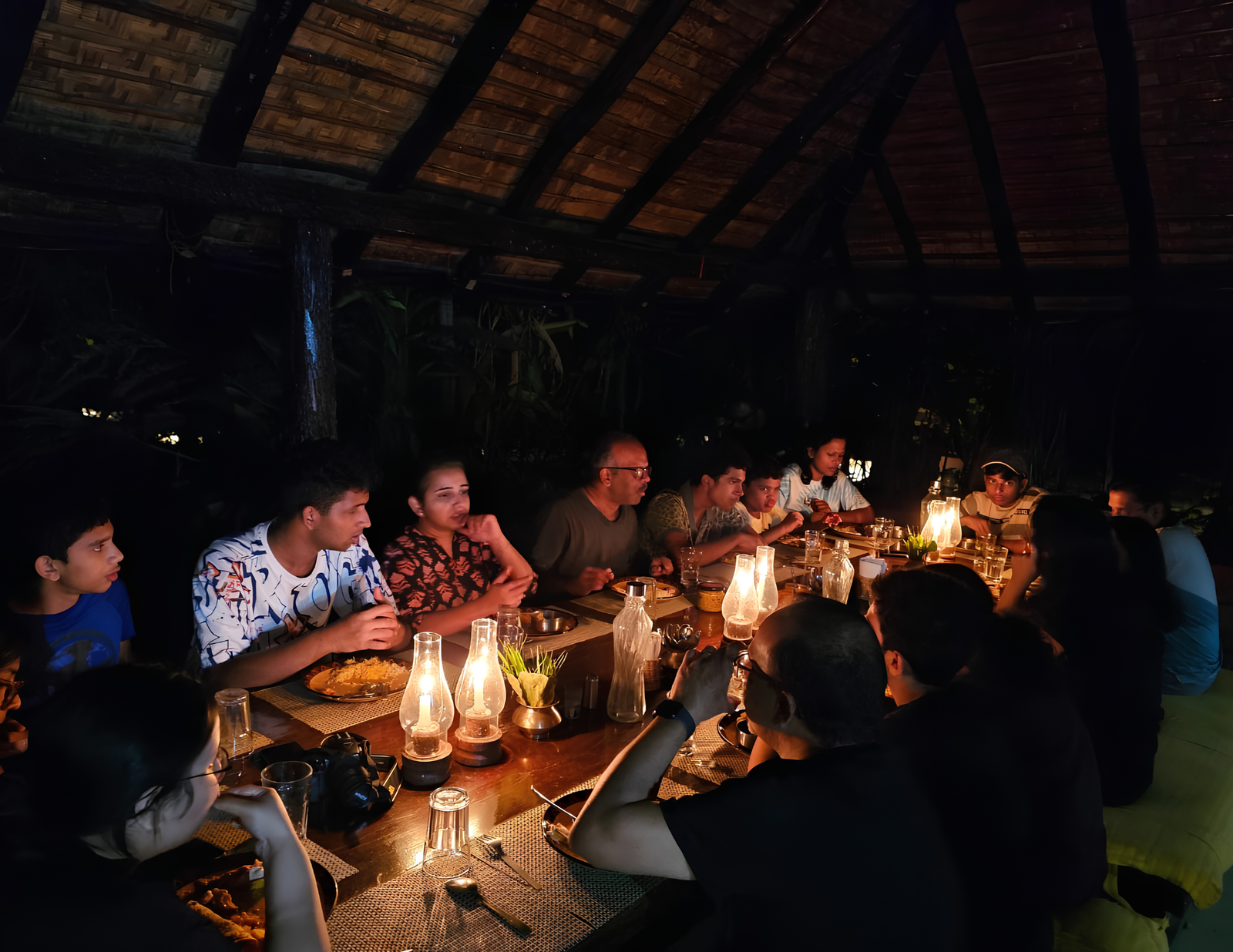
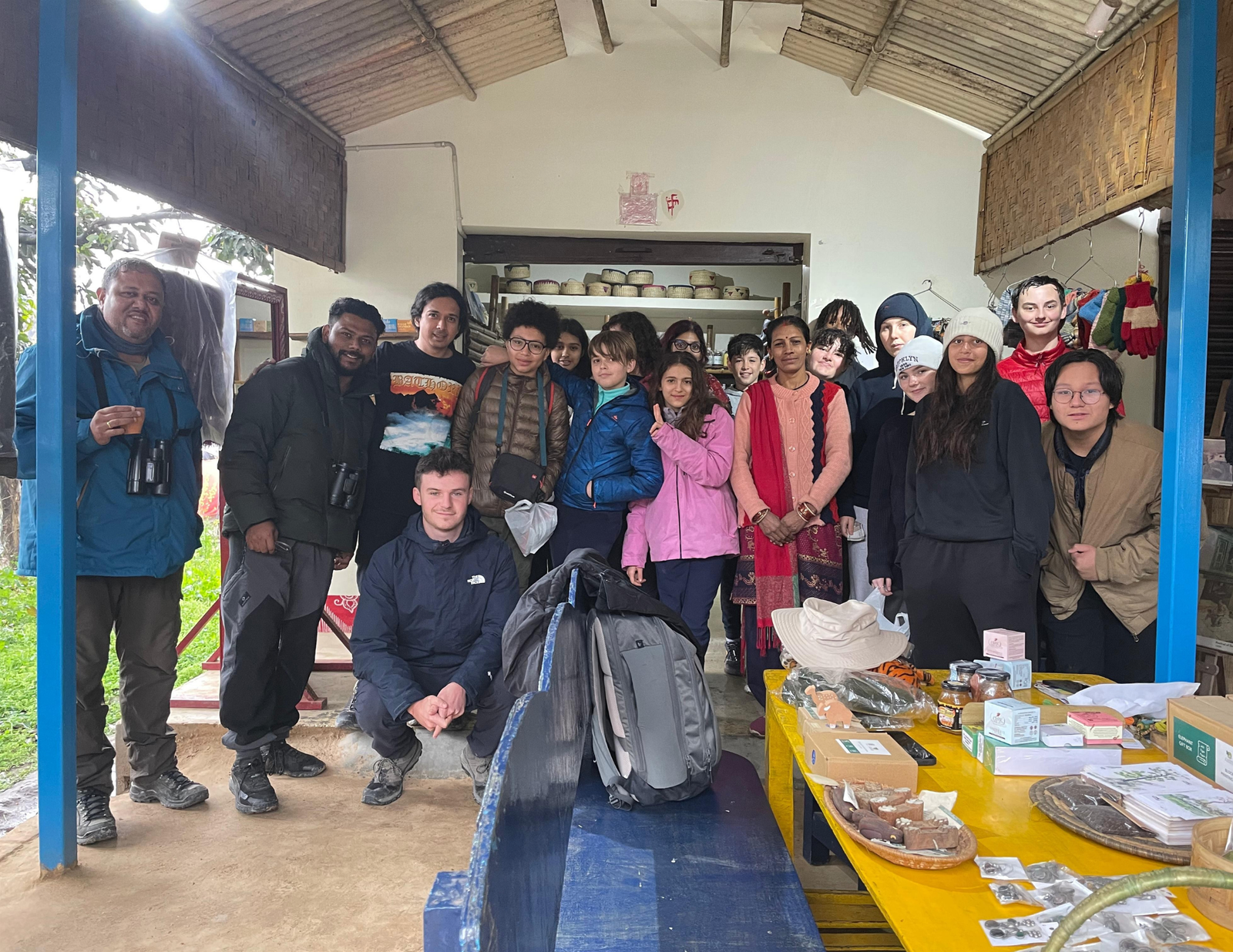
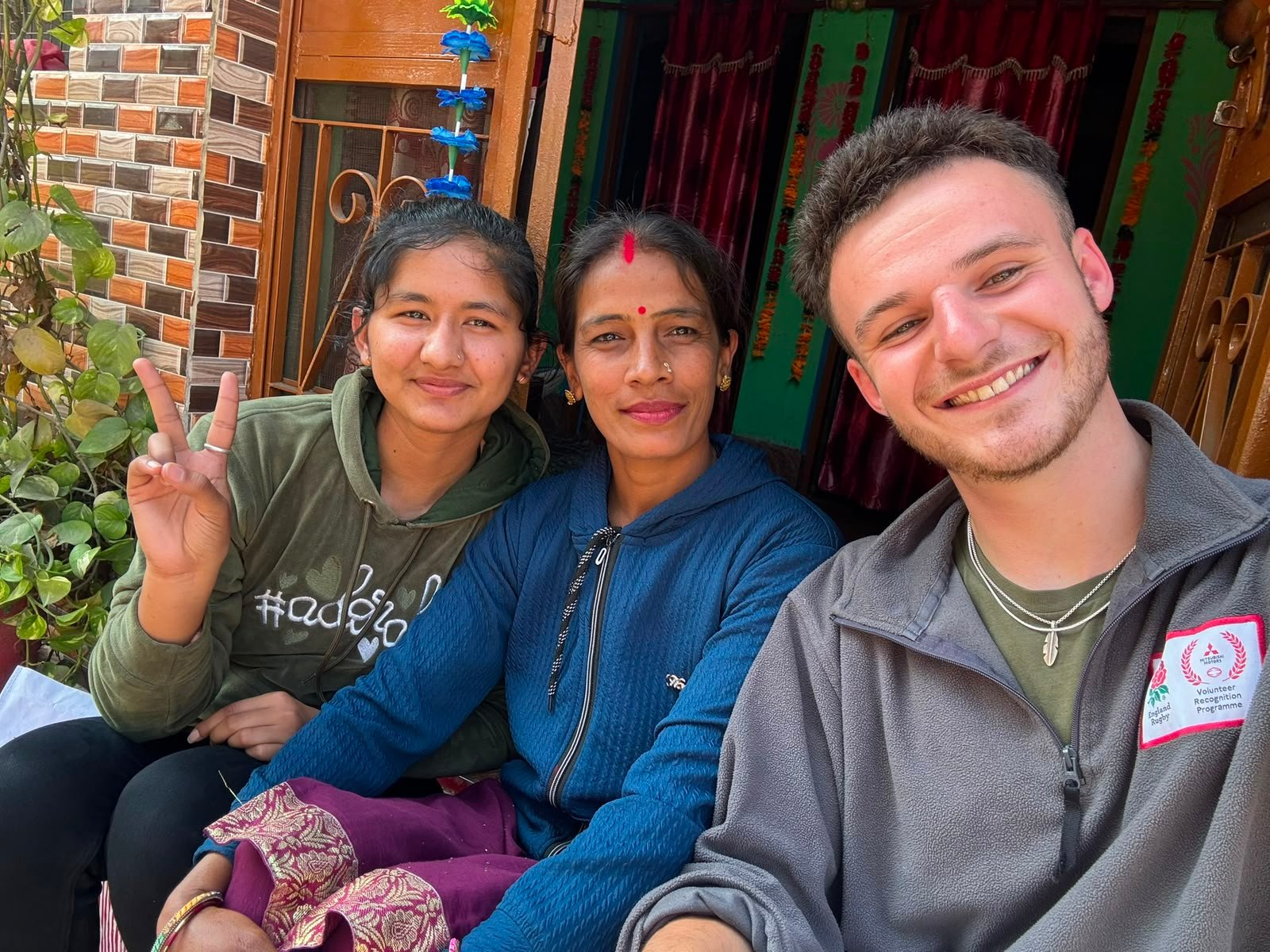
Although wildlife was the reason I travelled to India, it wasn’t the only thing that made the experience unforgettable. The people did. The team at Vanghat Lodge became like family. Their kindness, patience and willingness to teach made me feel at home from the very beginning. I also met some incredible guests. Scientists. Researchers. Wildlife photographers. Birdwatchers. Families. People from completely different backgrounds and professions, all brought together by a shared appreciation of nature. Every conversation became another opportunity to learn. Some evenings we’d sit together after dinner talking about conservation, wildlife behaviour or simply sharing stories from the day’s sightings. Those conversations taught me just as much as time spent in the forest.
Why I Came Back
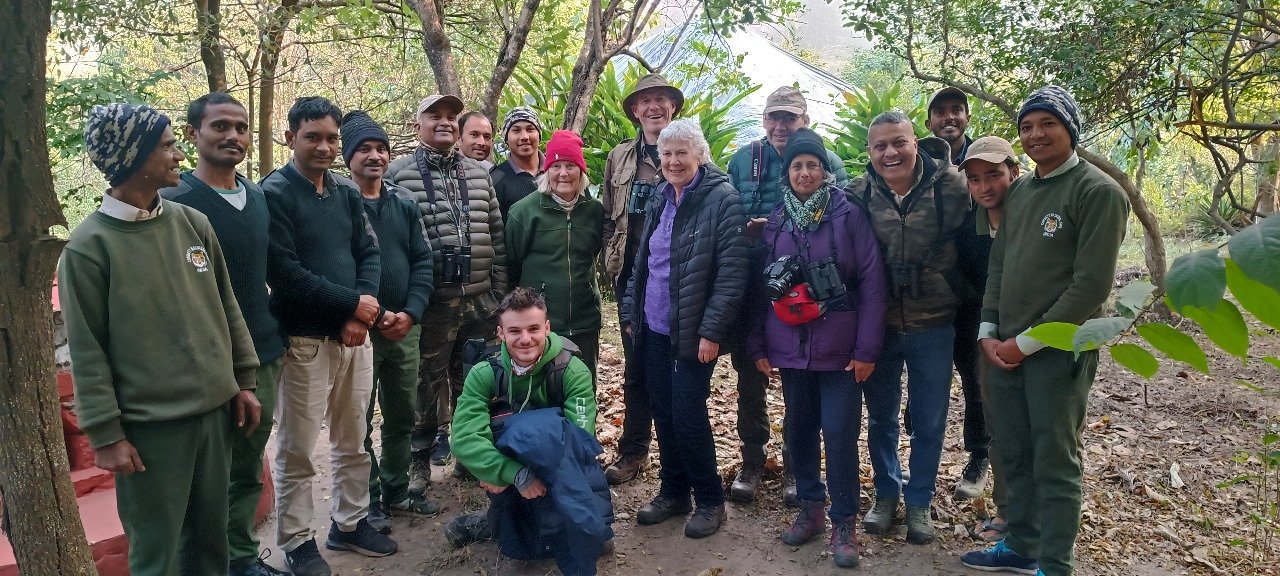
After five months, my visa came to an end and I had to leave India. Leaving was much harder than I expected. It wasn’t just the wildlife I’d miss. It was the people. The routine. The forest. The feeling of waking up every morning genuinely excited about the day ahead. I realised I wasn’t ready to leave. I felt like I was only just beginning to become the guide I wanted to be. So, as soon as I had the opportunity, I returned for a second five-month season. Coming back didn’t feel like starting again. It felt like coming home. By then I knew many of the trails. I recognised familiar bird calls before I even saw the birds. I knew the team well. Most importantly, I had the confidence to take on more responsibility and continue learning every single day. Looking back now, returning was one of the best decisions I’ve ever made.
A New Direction
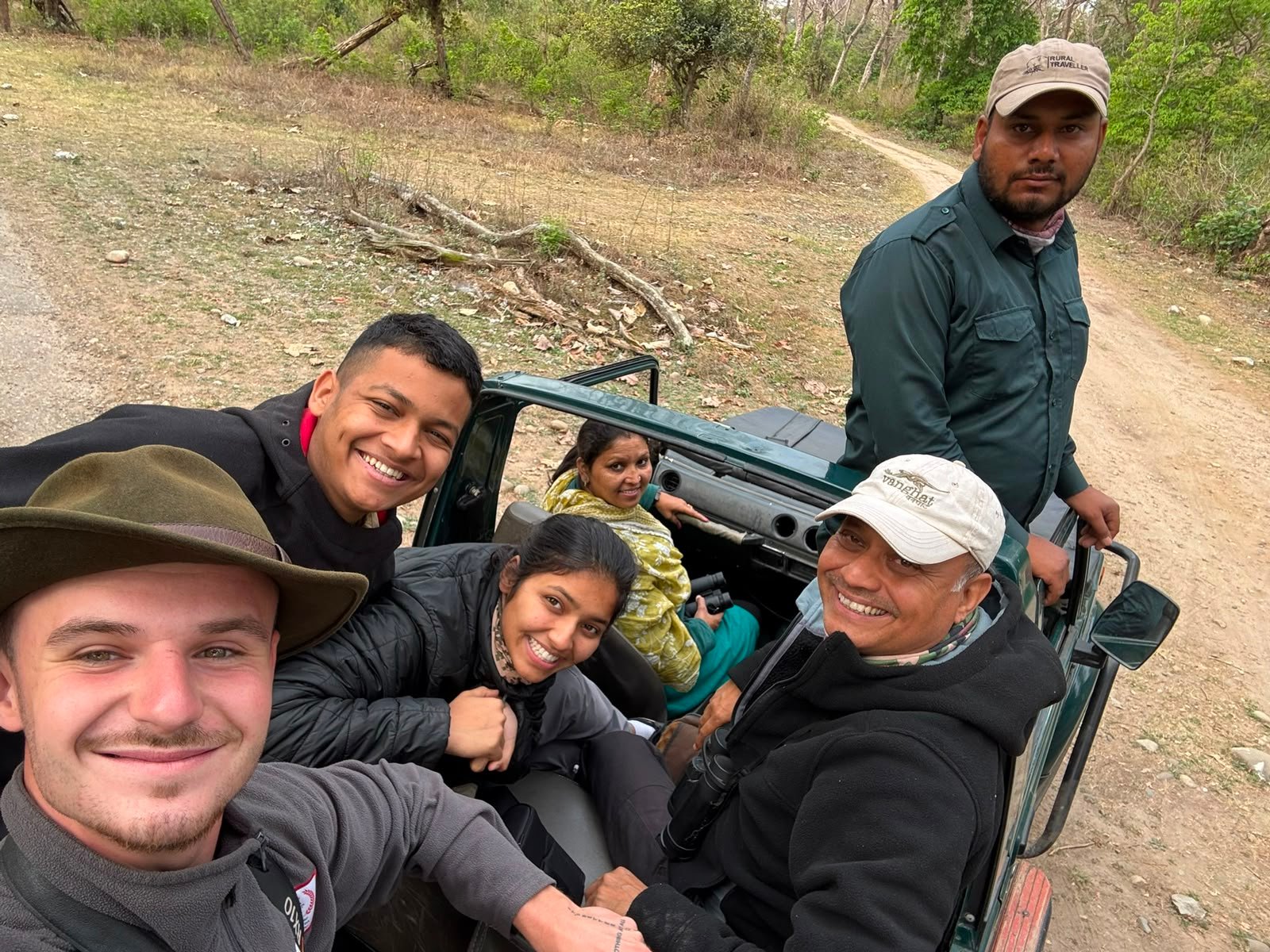
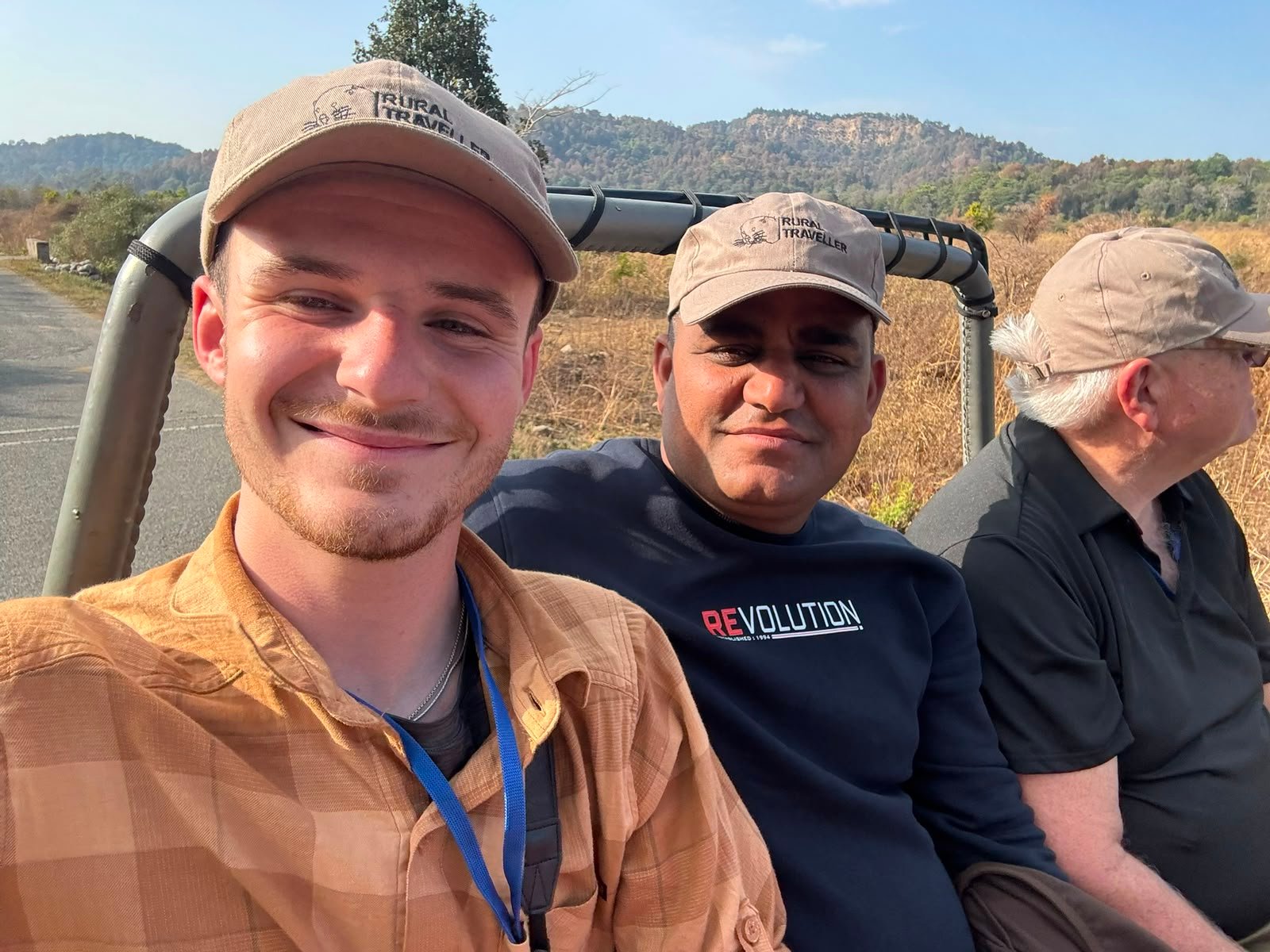
When people ask me what volunteering gave me, I usually tell them it gave me far more than wildlife experience.It gave me confidence.It gave me friendships.It gave me memories I’ll treasure forever.Most importantly, it gave me direction.Before India, I had no idea what I wanted to do with my future.Today, I’m studying Zoology at Bangor University.Without my time at Vanghat, I honestly don’t think I’d be on this path.The forests of Uttarakhand reminded me why I fell in love with wildlife in the first place.They helped me rediscover a passion I’d almost forgotten.For that, I’ll always be grateful.
Follow My Journey
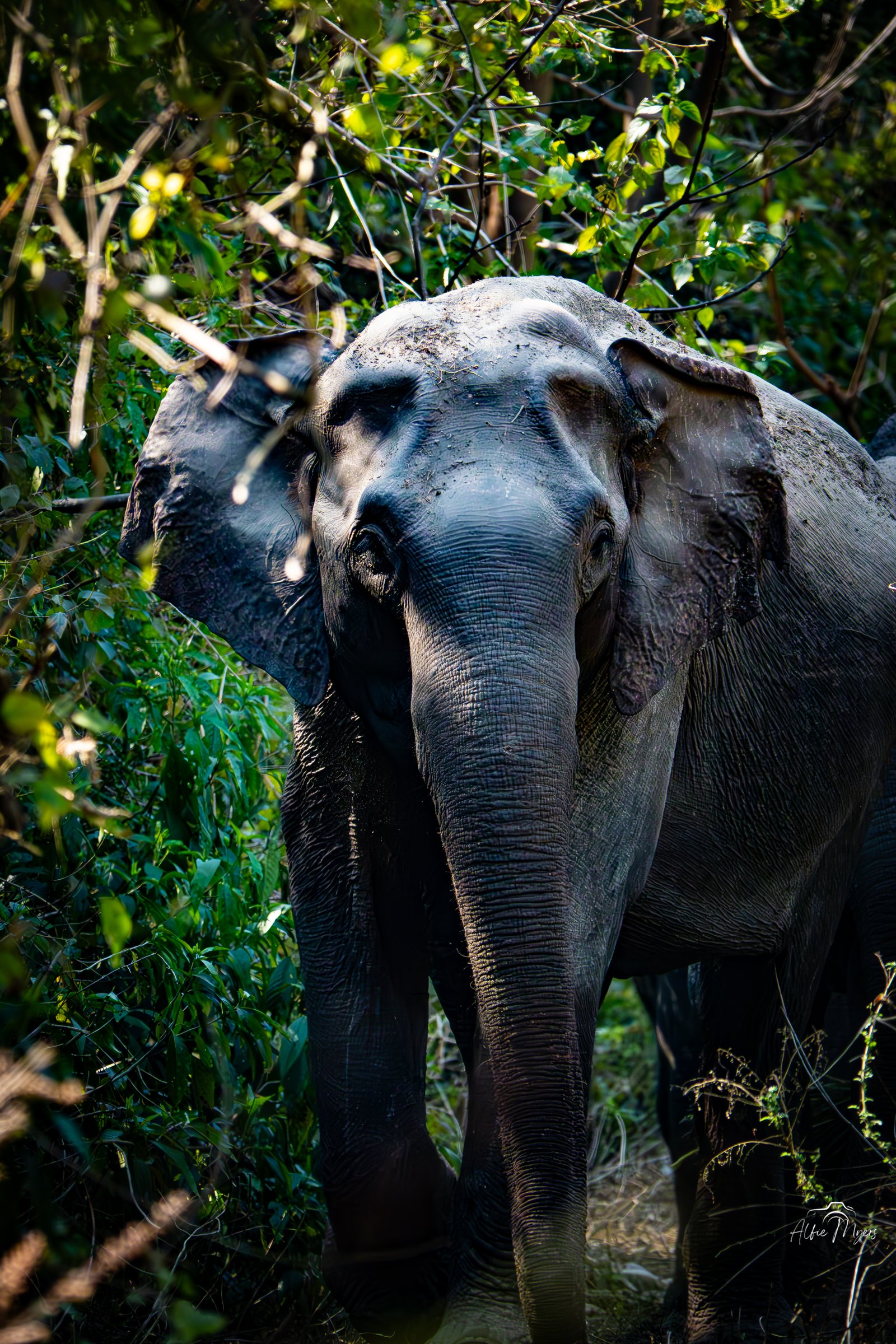
If you’d like to see more of what life at Vanghat Lodge is really like, I’ve shared plenty of photographs, wildlife videos and vlogs from my time in India on my social media.
You can find me on both Instagram and Facebook @AlfieintheW0rld
If you scroll back through my posts, you’ll find wildlife photography, safari videos, birdwatching highlights, behind-the-scenes moments from life at Vanghat and vlogs documenting my journey. Hopefully they’ll give you a real insight into what volunteering there is really like.
Final Thoughts
People often say travelling changes you.I think they’re right.But not always in the way you expect.India didn’t suddenly make me into someone different.Instead, it reminded me of the person I’d always been underneath everything else.The kid who loved birds.The one who was happiest outdoors.The one who dreamed of working with wildlife.I just needed somewhere to rediscover him.For me, that place was Vanghat.If you’re thinking about volunteering with Rural Traveller, my advice is simple.Go with an open mind.Be willing to learn.Ask questions.Spend as much time in the forest as you can.Listen to the people around you—they have an incredible amount to teach.And don’t worry if you don’t know everything when you arrive.None of us do.You may come hoping to learn about wildlife.You may leave with unforgettable memories, lifelong friendships and a completely different direction in life.
I know I did.
Categorised in: Trip Reports
This post was written by Vanghat Admin


